Chief Risk Officer Enforcement and Accountability Act
Summary
What This Bill Does
The Chief Risk Officer Enforcement and Accountability Act strengthens risk-governance requirements for large financial firms. It removes the publicly traded-company limitation from risk committee rules and requires covered companies to appoint a chief risk officer with experience managing risk exposures at large, complex financial firms. The officer must oversee enterprise-wide risk limits, global risk-management governance, risk-control infrastructure, risk-deficiency reporting, employee and managerial responsibility, independence of the risk-management function, integration with compensation, and testing of controls. The officer reports directly to the risk committee and CEO. If the office becomes vacant, the company must notify federal and state regulators within 24 hours and submit a hiring plan within 7 days. If the vacancy lasts more than 60 days, the company must publicly disclose the vacancy and may not grow total assets above the level on the vacancy date until the job is filled. Regulators must apply risk committee and chief risk officer requirements to stand-alone banks with at least $50 billion in assets.
Who Benefits and How
Bank regulators benefit from 24-hour vacancy notice, 7-day hiring plans, and public pressure when major firms lack a chief risk officer. Depositors and financial-system users benefit if large firms maintain stronger risk controls and faster deficiency reporting. Chief risk officers benefit because the statute elevates their direct reporting line to both the risk committee and CEO. Investors in large banks benefit from clearer public disclosure when a chief risk officer role remains vacant too long.
Who Bears the Burden and How
Large bank holding companies and covered nonbank financial companies must appoint qualified chief risk officers and maintain enterprise-wide systems. Stand-alone banks with at least $50 billion in assets must establish risk committees and appoint chief risk officers. Large financial firms with a vacancy lasting more than 60 days face public disclosure and an asset-growth cap. Primary financial regulatory agencies must issue regulations and monitor vacancy notices and hiring plans.
Key Provisions
- Requires covered large financial companies to appoint qualified chief risk officers.
- Defines chief risk officer duties for enterprise-wide limits, governance, reporting, independence, compensation integration, and control testing.
- Requires 24-hour regulator vacancy notice, 7-day hiring plans, public disclosure, and asset-growth limits for extended vacancies.
- Extends risk committee and chief risk officer rules to stand-alone banks with at least $50 billion in assets.
Evidence Chain:
This summary is generated from the full bill text using AI analysis. Expand "Detailed Analysis" below for identified beneficiaries/burden bearers with clause-level evidence links.
At a Glance
What This Bill Does
Requires large bank holding companies, covered nonbank financial companies, and stand-alone banks with at least $50 billion in assets to appoint qualified chief risk officers, gives those officers enterprise-wide risk, governance, reporting, and control duties, and imposes regulator notice, public disclosure, and asset-growth limits when a chief risk officer vacancy lasts more than 60 days.
Key Policy Areas
Banking, Financial Regulation, Risk Management
Primary Purpose
Requires large bank holding companies, covered nonbank financial companies, and stand-alone banks with at least $50 billion in assets to appoint qualified chief risk officers, gives those officers enterprise-wide risk, governance, reporting, and control duties, and imposes regulator notice, public disclosure, and asset-growth limits when a chief risk officer vacancy lasts more than 60 days.
Policy Domains
Resolution provisions
Identified Gains
- Bank regulators
- Depositors
- Chief risk officers
- Bank investors
Identified Costs
- Large bank holding companies
- Covered nonbank financial companies
- Stand-alone large banks
- Primary financial regulatory agencies
Sponsors

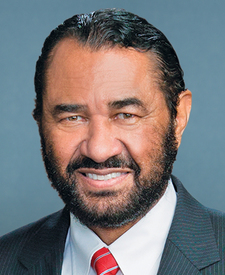

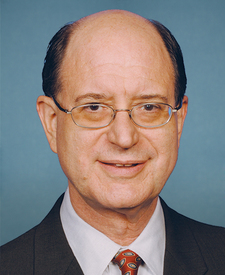
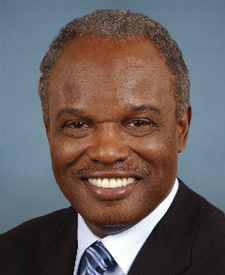
Legislative Progress
In CommitteeMr. Casten (for himself, Mr. Sherman, Mr. David Scott of …
Referred to the House Committee on Financial Services.
Introduced in House
Stakeholder Effects
cui bono?How this legislation distributes effects. Mention counts reflect frequency, not effect magnitude.
Depositors, Large bank holding companies, Stand-alone large banks
Positive-direction: Depositors
Negative-direction: Large bank holding companies, Stand-alone large banks
Bank regulators, Primary financial regulatory agencies
Chief risk officers, Covered nonbank financial companies
Bill Structure & Actor Mappings
Who is "The Secretary" in each section?
We use a combination of our own taxonomy and classification in addition to large language models to assess meaning and potential beneficiaries. High confidence means strong textual evidence. Always verify with the original bill text.
Learn more about our methodology