Protecting American Industry and Labor from International Trade Crimes Act of 2025
Summary
What This Bill Does
The Protecting American Industry and Labor from International Trade Crimes Act builds a DOJ structure for criminal enforcement against duty evasion, tariff evasion, import and export fee evasion, trade restrictions, sanctions-related trade offenses, trade-based money laundering, and smuggling. Within 120 days after appropriations are available, the Attorney General must establish a task force, named program, or similar Criminal Division structure coordinated by a supervisory criminal trial attorney. DOJ must create new criminal trial attorney and support positions, use experienced technical prosecutors, interact effectively with law enforcement, industry, and the public, increase capacity to prosecute trade crimes, conduct training and technical assistance with Homeland Security Investigations, CBP, and other agencies, develop multi-jurisdictional and international partnerships, participate in nationally coordinated investigations when needed, and ensure DOJ components consult while preserving other criminal and civil enforcement. Annual reports to House and Senate committees must include charged crime and indictment statistics, spending summaries, and funding needs. The bill authorizes $20 million for fiscal year 2026, with at least 80 percent for Criminal Division prosecution work and the rest available for other DOJ criminal or civil enforcement.
Who Benefits and How
Domestic manufacturers benefit from more federal criminal enforcement against customs fraud, smuggling, and duty evasion. U.S. workers in import-competing industries benefit if stronger trade-crime prosecution reduces illegal undercutting. Homeland Security Investigations and CBP benefit from DOJ technical assistance, training, and prosecution coordination. Legitimate importers benefit when competitors evading tariffs and restrictions face greater enforcement risk. Congressional oversight committees benefit from annual statistics, spending summaries, and funding estimates.
Who Bears the Burden and How
The Department of Justice Criminal Division must hire prosecutors, build the structure, coordinate investigations, and report annually. Trade-crime defendants face more federal prosecution capacity and nationally coordinated cases. Importers and exporters with weak compliance face greater criminal, civil, and investigative exposure. The Attorney General must allocate at least 80 percent of appropriated funds to Criminal Division trade-crime prosecution. Federal taxpayers bear the authorized $20 million fiscal year 2026 cost.
Key Provisions
- Defines trade-related crimes to include tariff evasion, sanctions trade offenses, money laundering, and smuggling.
- Creates a DOJ Criminal Division task force or similar structure for trade-crime prosecution.
- Requires training, technical assistance, interagency coordination, and trading-partner partnerships.
- Requires annual reports on charged trade crimes, indictments, spending, and additional funding needs.
- Authorizes $20 million for fiscal year 2026 with an 80 percent Criminal Division use requirement.
Evidence Chain:
This summary is generated from the full bill text using AI analysis. Expand "Detailed Analysis" below for identified beneficiaries/burden bearers with clause-level evidence links.
At a Glance
What This Bill Does
Creates a Department of Justice Criminal Division structure for trade-related crimes, adds prosecutors and support personnel, coordinates with HSI, CBP, federal agencies, industry, the public, and trading partners, requires annual reports, and authorizes $20 million for fiscal year 2026 with at least 80 percent for Criminal Division trade-crime prosecution.
Key Policy Areas
Trade Enforcement, Criminal Justice, Customs
Primary Purpose
Creates a Department of Justice Criminal Division structure for trade-related crimes, adds prosecutors and support personnel, coordinates with HSI, CBP, federal agencies, industry, the public, and trading partners, requires annual reports, and authorizes $20 million for fiscal year 2026 with at least 80 percent for Criminal Division trade-crime prosecution.
Policy Domains
Resolution provisions
Identified Gains
- Domestic manufacturers
- U.S. workers
- Homeland Security Investigations
- U.S. Customs and Border Protection
- Legitimate importers
Identified Costs
- Department of Justice Criminal Division
- Trade-crime defendants
- Importers with weak compliance
- Attorney General
- Federal taxpayers
Sponsors
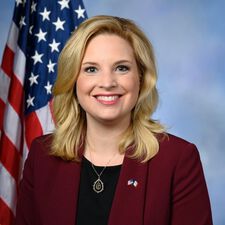
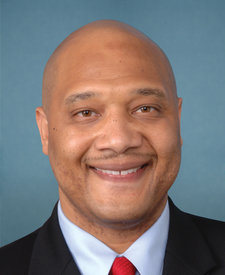
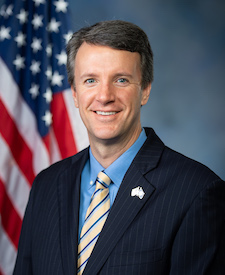
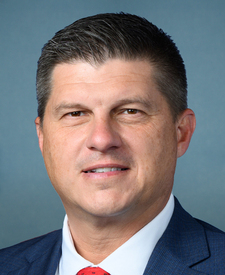
Legislative Progress
ReportedOrdered to be Reported (Amended) by the Yeas and Nays: …
Committee Consideration and Mark-up Session Held
Mrs. Hinson (for herself, Mr. Moolenaar, Mr. Krishnamoorthi, Mr. Wittman, …
Referred to the House Committee on the Judiciary.
Introduced in House
Stakeholder Effects
cui bono?How this legislation distributes effects. Mention counts reflect frequency, not effect magnitude.
Customs and Border Protection, Department of Justice Criminal Division, Homeland Security Investigations
Bill Structure & Actor Mappings
Who is "The Secretary" in each section?
We use a combination of our own taxonomy and classification in addition to large language models to assess meaning and potential beneficiaries. High confidence means strong textual evidence. Always verify with the original bill text.
Learn more about our methodology