Second Chances for Rural Hospitals Act
Summary
What This Bill Does
The Second Chances for Rural Hospitals Act broadens the rural emergency hospital definition in Medicare. It adds a category for facilities that, between January 1, 2014, and December 26, 2020, were either critical access hospitals or rural subsection (d) hospitals, and that had ceased operations by the date of enactment. It adjusts rural emergency hospital enrollment and action-plan rules so those closed facilities can seek rural emergency hospital status without satisfying requirements designed for currently enrolled facilities. The policy goal is to reopen or repurpose closed rural hospitals as emergency-focused Medicare facilities instead of leaving rural communities without local emergency access.
Who Benefits and How
Closed rural hospitals benefit because they can qualify for rural emergency hospital status despite having ceased operations. Rural patients benefit if former hospitals reopen as emergency-focused facilities closer to home. Rural hospital operators benefit from access to the Medicare rural emergency hospital payment pathway. County health officials benefit if the bill restores emergency care capacity in communities that lost hospitals.
Who Bears the Burden and How
Centers for Medicare and Medicaid Services staff must process eligibility for closed former hospitals. Medicare Administrative Contractors must apply revised enrollment and action-plan rules. Federal taxpayers bear Medicare payment costs for additional rural emergency hospitals. Competing regional hospitals may lose some emergency volume if closed rural facilities reopen.
Key Provisions
- Expands rural emergency hospital eligibility to certain closed former critical access hospitals.
- Expands eligibility to certain closed rural subsection (d) hospitals.
- Uses the January 1, 2014, through December 26, 2020, operating window.
- Modifies enrollment and action-plan rules for the new closed-facility category.
Evidence Chain:
This summary is generated from the full bill text using AI analysis. Expand "Detailed Analysis" below for identified beneficiaries/burden bearers with clause-level evidence links.
At a Glance
What This Bill Does
Expands Medicare rural emergency hospital eligibility to certain former critical access hospitals and rural subsection (d) hospitals that operated between 2014 and 2020 but had ceased operations by enactment.
Key Policy Areas
Medicare, Rural Hospitals, Health Care
Primary Purpose
Expands Medicare rural emergency hospital eligibility to certain former critical access hospitals and rural subsection (d) hospitals that operated between 2014 and 2020 but had ceased operations by enactment.
Policy Domains
Resolution provisions
Identified Gains
- Closed rural hospitals
- Rural patients
- Rural hospital operators
- County health officials
Identified Costs
- Centers for Medicare and Medicaid Services
- Medicare Administrative Contractors
- Federal taxpayers
- Competing regional hospitals
Sponsors


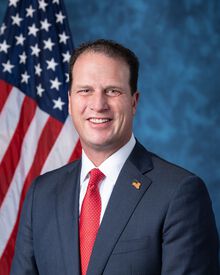
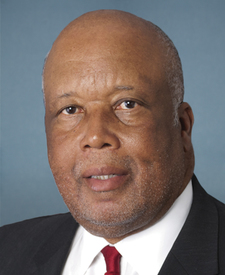

Legislative Progress
In CommitteeMr. Arrington (for himself, Ms. Tokuda, and Mr. Pfluger) introduced …
Referred to the Committee on Ways and Means, and in …
Introduced in House
Stakeholder Effects
cui bono?How this legislation distributes effects. Mention counts reflect frequency, not effect magnitude.
Closed rural hospitals, Rural hospital operators, Rural patients
Bill Structure & Actor Mappings
Who is "The Secretary" in each section?
We use a combination of our own taxonomy and classification in addition to large language models to assess meaning and potential beneficiaries. High confidence means strong textual evidence. Always verify with the original bill text.
Learn more about our methodology