Early Action and Responsiveness Lifts Youth Minds Act
Summary
What This Bill Does
The EARLY Minds Act adds prevention and early intervention to state mental-health block grant planning. States must describe evidence-based strategies and programs to prevent, delay, or reduce the severity and onset of mental illness and behavioral problems, including for children and adolescents, even if the person does not yet have a serious mental illness or serious emotional disturbance. States with such plans may spend up to 5 percent of their annual Community Mental Health Services Block Grant allotment on those strategies. The Secretary must report to Congress within one year and every two years after that, listing participating states, describing state activities, identifying populations served and demographics, and reporting outcomes such as reduced delays in access to care and reduced severity of serious mental illness or serious emotional disturbance onset.
Who Benefits and How
Children and adolescents benefit because states can fund early mental-health prevention before conditions become severe. State mental health agencies benefit from authority to reserve up to 5 percent of block grant funds for prevention and early intervention. Families seeking behavioral health care benefit if state programs reduce delays in access to services. Community mental health providers benefit from funding opportunities for evidence-based prevention programs.
Who Bears the Burden and How
Substance Abuse and Mental Health Services Administration staff must review state plans and prepare biennial reports. State mental health agencies must document prevention strategies, populations served, demographics, and outcomes. Programs focused only on existing serious mental illness may compete with prevention uses for up to 5 percent of allotments. Federal taxpayers bear the cost of reporting and grant oversight under the expanded block grant option.
Key Provisions
- Requires state plans to describe evidence-based prevention and early intervention strategies.
- Authorizes states to spend up to 5 percent of mental-health block grant allotments on those strategies.
- Provides coverage for children and adolescents regardless of serious mental illness or serious emotional disturbance status.
- Requires HHS reports to Congress within one year and biennially afterward.
- Requires outcome reporting on access delays and severity of onset.
Evidence Chain:
This summary is generated from the full bill text using AI analysis. Expand "Detailed Analysis" below for identified beneficiaries/burden bearers with clause-level evidence links.
At a Glance
What This Bill Does
Allows states to use up to 5 percent of Community Mental Health Services Block Grant allotments for evidence-based prevention and early intervention strategies and requires biennial HHS reports on state activities and outcomes.
Key Policy Areas
Mental Health, Children, Grants
Primary Purpose
Allows states to use up to 5 percent of Community Mental Health Services Block Grant allotments for evidence-based prevention and early intervention strategies and requires biennial HHS reports on state activities and outcomes.
Policy Domains
Resolution provisions
Identified Gains
- Children and adolescents
- State mental health agencies
- Families seeking behavioral health care
- Community mental health providers
Identified Costs
- Substance Abuse and Mental Health Services Administration
- State mental health agencies
- Existing serious mental illness programs
- Federal taxpayers
Sponsors
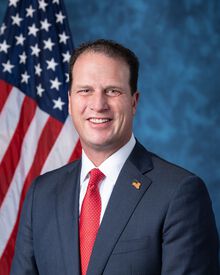

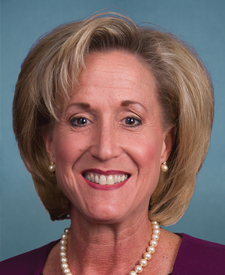
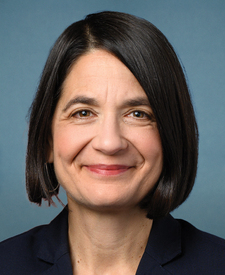

Legislative Progress
In CommitteeMr. Pfluger (for himself, Ms. Castor of Florida, Mr. Joyce …
Referred to the House Committee on Energy and Commerce.
Introduced in House
Stakeholder Effects
cui bono?How this legislation distributes effects. Mention counts reflect frequency, not effect magnitude.
Substance Abuse and Mental Health Services Administration
Bill Structure & Actor Mappings
Who is "The Secretary" in each section?
We use a combination of our own taxonomy and classification in addition to large language models to assess meaning and potential beneficiaries. High confidence means strong textual evidence. Always verify with the original bill text.
Learn more about our methodology