MEME Act
Summary
What This Bill Does
The MEME Act is a government-ethics bill aimed at public officials profiting from financial instruments, including digital assets and meme coins. It states that federal elected officials should not use public office for private financial gain. It adds a new title 5 subchapter covering prohibited financial transactions by public officeholders and adjacent individuals, including certain Senior Executive Service officials, senior military officers, equivalent officials determined by the Special Counsel in consultation with the Office of Government Ethics, and spouses or dependent children. Covered assets include securities, security futures, commodities, digital assets sold for remuneration, cryptocurrencies, meme coins, tokens, and non-fungible tokens. The Attorney General may bring civil actions, courts may impose penalties up to $250,000, violators must disgorge profits to the Treasury, and harmed investors, competitors, or private parties can sue. The bill also creates criminal penalties when covered violations cause at least $1 million in public losses, involve official bribery, or involve corrupt official acts.
Who Benefits and How
Retail investors benefit because officeholders and adjacent family members could not promote covered assets for personal gain while leveraging public trust. Government ethics watchdog organizations benefit from a clear statutory ban on meme-coin and digital-asset self-enrichment by officials. Office of Government Ethics staff benefit from a defined consultation role for equivalent covered positions. U.S. taxpayers benefit because disgorged profits from prohibited transactions go to the Treasury.
Who Bears the Burden and How
Members of Congress and executive branch officials lose the ability to issue, sponsor, or promote covered assets for pecuniary gain. Senior Executive Service officials and senior military officers face civil and criminal exposure for prohibited covered-asset transactions. Spouses and dependent children of covered officials face adjacent-individual restrictions. Department of Justice attorneys must enforce civil penalties, disgorgement, private-action rules, and criminal provisions.
Key Provisions
- Bars covered officeholders and adjacent individuals from issuing, sponsoring, or promoting covered assets for gain.
- Defines covered assets to include securities, commodities, cryptocurrencies, meme coins, tokens, and NFTs.
- Creates civil penalties up to $250,000 and disgorgement of profits to the Treasury.
- Authorizes private lawsuits by harmed investors, competitors, and other private parties.
- Creates criminal penalties for knowing violations involving major public losses, bribery, or corrupt official acts.
Evidence Chain:
This summary is generated from the full bill text using AI analysis. Expand "Detailed Analysis" below for identified beneficiaries/burden bearers with clause-level evidence links.
At a Glance
What This Bill Does
Bars covered federal officeholders, senior officials, military officers, and adjacent family members from issuing, sponsoring, or promoting securities, commodities, cryptocurrencies, meme coins, tokens, or NFTs for personal gain, with civil penalties, disgorgement, private lawsuits, and criminal penalties for serious violations.
Key Policy Areas
Government Ethics, Financial Regulation, Digital Assets
Primary Purpose
Bars covered federal officeholders, senior officials, military officers, and adjacent family members from issuing, sponsoring, or promoting securities, commodities, cryptocurrencies, meme coins, tokens, or NFTs for personal gain, with civil penalties, disgorgement, private lawsuits, and criminal penalties for serious violations.
Policy Domains
Resolution provisions
Identified Gains
- Retail investors
- Government ethics watchdog organizations
- Office of Government Ethics
- U.S. taxpayers
Identified Costs
- Members of Congress
- Senior Executive Service officials
- Spouses of covered officials
- Department of Justice attorneys
Sponsors

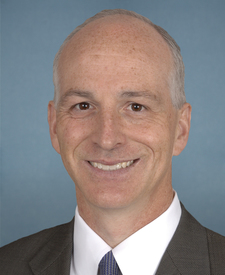

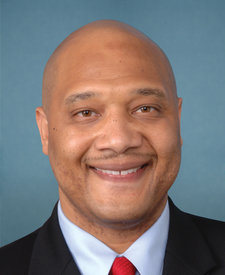

Legislative Progress
In CommitteeMr. Liccardo (for himself, Mr. Khanna, Ms. Norton, Mr. Mullin, …
Referred to the Committee on Oversight and Government Reform, and …
Introduced in House
Sponsor introductory remarks on measure. (CR H893)
Stakeholder Effects
cui bono?How this legislation distributes effects. Mention counts reflect frequency, not effect magnitude.
Department of Justice, Members of Congress, Office of Government Ethics
Bill Structure & Actor Mappings
Who is "The Secretary" in each section?
We use a combination of our own taxonomy and classification in addition to large language models to assess meaning and potential beneficiaries. High confidence means strong textual evidence. Always verify with the original bill text.
Learn more about our methodology