Global Investment in American Jobs Act of 2025
Summary
What This Bill Does
The Global Investment in American Jobs Act declares that responsible foreign direct investment from trusted countries supports U.S. prosperity, competitiveness, security, jobs, services, manufacturing, advanced technologies, resilient supply chains, and reciprocal access for U.S. companies abroad. It also says investment policy should protect security interests, not disadvantage domestic investors, improve living standards, address data localization and intellectual-property barriers, and treat investment by companies owned, directed, supported, or influenced by the Chinese Communist Party as a threat. The bill then requires the Secretary of Commerce and the Comptroller General, in consultation with the Federal Interagency Investment Working Group and relevant agencies, to review U.S. competitiveness in attracting FDI from responsible private-sector entities based in trusted countries and trade barriers faced by advanced technology firms in the digital economy. The review must cover manufacturing, services, trade, digital trade, jobs, cross-border investment and data flows, federal FDI policies, greenfield investment versus mergers and acquisitions, state-owned or state-backed enterprises, CCP-influenced entities, trusted-country responses, state and local investment-attraction initiatives, data localization, forced production localization, industrial subsidies, intellectual-property infringement, technical barriers to trade, country-specific technology standards, adequacy of federal investment-attraction efforts, and CCP circumvention of existing laws. Commerce must publish Federal Register notices before the review and before final recommendations, take public comment, and report to Congress within one year. The review does not address CFIUS laws or policies.
Who Benefits and How
Responsible foreign investors from trusted countries, U.S. manufacturing workers, U.S. services firms, advanced technology companies, digital trade firms, state economic development agencies, local economic development agencies, U.S. companies seeking reciprocal market access, Commerce investment-promotion staff, and congressional trade committees benefit from a structured review of how to attract trusted capital while addressing barriers such as data localization, forced local production, industrial subsidies, intellectual-property infringement, and technical standards. The report can identify policy changes that bring jobs and investment without weakening security, labor, consumer, financial, or environmental protections.
Who Bears the Burden and How
The Department of Commerce, Government Accountability Office, Federal Interagency Investment Working Group, relevant federal agencies, Federal Register staff, public-comment reviewers, state-backed enterprises, Chinese Communist Party-influenced companies, domestic investors, and advanced technology firms must provide data, analyze investment barriers, compare trusted-country practices, review state and local initiatives, evaluate CCP circumvention, and prepare recommendations within one year.
Key Provisions
- States that attracting responsible FDI from trusted countries is linked to U.S. prosperity, competitiveness, security, supply chains, and jobs.
- Directs Commerce and GAO to review U.S. competitiveness in attracting trusted-country FDI and addressing advanced-technology digital-trade barriers.
- Requires analysis of manufacturing, services, digital trade, jobs, data flows, greenfield investment, mergers and acquisitions, state-backed enterprises, and CCP-linked investment.
- Requires review of data localization, forced production localization, industrial subsidies, intellectual-property infringement, technical barriers to trade, and country-specific technology standards.
- Requires Federal Register notices and public-comment opportunities before the review and before final findings.
- Requires a one-year report with recommendations that maintain U.S. security, labor, consumer, financial, and environmental protections.
Evidence Chain:
This summary is generated from the full bill text using AI analysis. Expand "Detailed Analysis" below for identified beneficiaries/burden bearers with clause-level evidence links.
At a Glance
What This Bill Does
Requires Commerce and GAO, with the Federal Interagency Investment Working Group and other agencies, to review U.S. competitiveness in attracting responsible foreign direct investment from trusted countries, analyze digital-trade barriers and state-backed investment risks including CCP influence, take public comment, and report within one year with recommendations that preserve U.S. security, labor, consumer, financial, and environmental protections.
Key Policy Areas
Foreign Investment, Trade, Technology, China
Primary Purpose
Requires Commerce and GAO, with the Federal Interagency Investment Working Group and other agencies, to review U.S. competitiveness in attracting responsible foreign direct investment from trusted countries, analyze digital-trade barriers and state-backed investment risks including CCP influence, take public comment, and report within one year with recommendations that preserve U.S. security, labor, consumer, financial, and environmental protections.
Policy Domains
Substantive provisions
Identified Gains
- Responsible foreign investors
- U.S. manufacturing workers
- U.S. services firms
- Advanced technology companies
- Digital trade firms
- State economic development agencies
- Commerce investment-promotion staff
Identified Costs
- Department of Commerce
- Government Accountability Office
- Federal Interagency Investment Working Group
- Relevant federal agencies
- Public-comment reviewers
- State-backed enterprises
- Chinese Communist Party-influenced companies
Sponsors


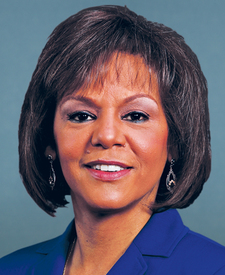
Legislative Progress
Passed HouseReceived; read twice and referred to the Committee on Commerce, …
Received in the Senate and Read twice and referred to …
Passed House (inferred from eh version)
Motion to reconsider laid on the table Agreed to without …
On motion to suspend the rules and pass the bill …
Passed/agreed to in House: On motion to suspend the rules …
DEBATE - The House proceeded with forty minutes of debate …
Considered under suspension of the rules. (consideration: CR H2850-2852)
Mr. Bilirakis moved to suspend the rules and pass the …
Additional sponsor: Mr. Fitzpatrick
Stakeholder Effects
cui bono?How this legislation distributes effects. Mention counts reflect frequency, not effect magnitude.
Department of Commerce, Federal Interagency Investment Working Group, Government Accountability Office
Advanced technology companies, Digital trade firms
Chinese Communist Party-influenced companies, State-backed enterprises
Bill Structure & Actor Mappings
Who is "The Secretary" in each section?
- "trusted_country"
- → A country not determined by the Commerce Secretary to be a foreign adversary.
We use a combination of our own taxonomy and classification in addition to large language models to assess meaning and potential beneficiaries. High confidence means strong textual evidence. Always verify with the original bill text.
Learn more about our methodology