Homeland Security Improvement Act
Summary
What This Bill Does
The Homeland Security Improvement Act is an oversight and accountability bill for border and immigration enforcement. It establishes a 30-member Department of Homeland Security Border Oversight Commission with northern and southern border subcommittees that include local officials, law enforcement, civil rights advocates, business representatives, environmental organizations, labor, faith, commerce, and private-property voices. It creates an Ombudsman for Border and Immigration-Related Concerns with an independent complaint process that can investigate, resolve, and provide redress for grievances involving DHS border and immigration activities. It requires longer CBP and Border Patrol training, annual continuing education, port-of-entry management reports, border enforcement data, and coordination reporting. It also bars immigration officers from removing a child from a parent or guardian solely to deter migration or promote immigration compliance, while preserving child-safety exceptions.
Who Benefits and How
Border communities benefit because the oversight commission gives local officials, civil rights advocates, businesses, labor, and residents a formal channel into DHS border policy. Migrants and asylum seekers benefit from an ombudsman complaint process and family-separation limits. CBP officers benefit from clearer training standards on mission duties, constitutional limits, use of force, and continuing education. Civil rights organizations benefit from required reporting and complaint mechanisms that make enforcement practices more visible.
Who Bears the Burden and How
Department of Homeland Security staff must create, staff, and resource the commission and ombudsman office. U.S. Customs and Border Protection managers must lengthen training, collect data, and produce recurring port and border reports. Border Patrol sector offices must assess staffing, technology, vulnerable-population needs, and intergovernmental coordination. Immigration enforcement officers face limits on family separation and added documentation and oversight of enforcement practices.
Key Provisions
- Creates a Department of Homeland Security Border Oversight Commission.
- Establishes an independent Ombudsman for Border and Immigration-Related Concerns.
- Requires CBP and Border Patrol training, annual continuing education, and attorney-led instruction.
- Directs reports on ports of entry, staffing, delays, technology, civil rights, and property impacts.
- Limits family separation when the purpose is migration deterrence or immigration-law compliance.
Evidence Chain:
This summary is generated from the full bill text using AI analysis. Expand "Detailed Analysis" below for identified beneficiaries/burden bearers with clause-level evidence links.
At a Glance
What This Bill Does
Creates border oversight and complaint institutions inside DHS, strengthens CBP training and port reporting, requires border enforcement data, and limits family separation for immigration-deterrence purposes.
Key Policy Areas
Homeland Security, Immigration, Civil Rights
Primary Purpose
Creates border oversight and complaint institutions inside DHS, strengthens CBP training and port reporting, requires border enforcement data, and limits family separation for immigration-deterrence purposes.
Policy Domains
Resolution provisions
Identified Gains
- Border communities
- Migrants and asylum seekers
- CBP officers
- Civil rights organizations
Identified Costs
- Department of Homeland Security staff
- U.S. Customs and Border Protection managers
- Border Patrol sector offices
- Immigration enforcement officers
Legislative Progress
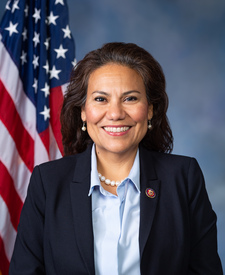
In CommitteeMs. Escobar introduced the following bill; which was referred to …
Referred to the Subcommittee on Border Security and Enforcement.
Referred to the Committee on Homeland Security, and in addition …
Introduced in House
Stakeholder Effects
cui bono?How this legislation distributes effects. Mention counts reflect frequency, not effect magnitude.
Customs and Border Protection, Department of Homeland Security
Bill Structure & Actor Mappings
Who is "The Secretary" in each section?
We use a combination of our own taxonomy and classification in addition to large language models to assess meaning and potential beneficiaries. High confidence means strong textual evidence. Always verify with the original bill text.
Learn more about our methodology