Workforce Reentry Act
Summary
What This Bill Does
The Workforce Reentry Act adds an ex-offenders Reentry Program Start-up Grants section to the Workforce Innovation and Opportunity Act. The purpose is to spur innovation in reentry into the workforce, continue and replicate successful initiatives, and disseminate best practices for preparing ex-offenders for sustained employment. Eligible entities include 501(c)(3) nonprofits including faith-based organizations, local workforce boards, state and local governments, Indian or Native American entities eligible for section 166 grants, employers, higher education institutions, industry or sector partnerships, and trade or professional associations. Eligible participants are people convicted as juveniles or adults and imprisoned under federal or state law who have been released for no more than two years when they begin the grant-funded activity, with limited participation for people close to release. The bill also updates WIOA authorized funds language to include the new section.
Who Benefits and How
Recently released people benefit from job preparation, training, and workforce reentry services during the high-risk period after prison or jail. Reentry nonprofits benefit from start-up grants to test and replicate employment programs. Local workforce boards benefit from a WIOA grant stream focused on justice-involved workers. Employers willing to hire returning citizens benefit from partnerships that prepare participants for sustained work.
Who Bears the Burden and How
The Department of Labor must administer the new WIOA grant authority and evaluate eligible entities. Grant recipients must document participant eligibility, program outcomes, and best practices. State correctional agencies must coordinate release timing and workforce referrals for eligible participants. Federal taxpayers bear the cost of new workforce reentry grants.
Key Provisions
- Creates ex-offender Reentry Program Start-up Grants under WIOA.
- Authorizes nonprofits, workforce boards, governments, Tribal entities, employers, colleges, and industry partnerships as eligible entities.
- Targets people released from prison or jail within the prior two years, with limited pre-release participation.
- Provides for replication and dissemination of best practices in workforce reentry.
Evidence Chain:
This summary is generated from the full bill text using AI analysis. Expand "Detailed Analysis" below for identified beneficiaries/burden bearers with clause-level evidence links.
At a Glance
What This Bill Does
Creates Workforce Innovation and Opportunity Act start-up grants for eligible entities to prepare recently incarcerated people for sustained workforce participation and disseminate reentry best practices.
Key Policy Areas
Workforce, Reentry, Criminal Justice
Primary Purpose
Creates Workforce Innovation and Opportunity Act start-up grants for eligible entities to prepare recently incarcerated people for sustained workforce participation and disseminate reentry best practices.
Policy Domains
Resolution provisions
Identified Gains
- Recently released people
- Reentry nonprofits
- Local workforce boards
- Second-chance employers
Identified Costs
- Department of Labor
- Grant recipients
- State correctional agencies
- Federal taxpayers
Sponsors
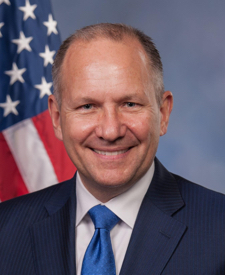
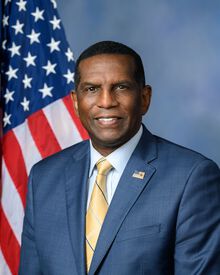
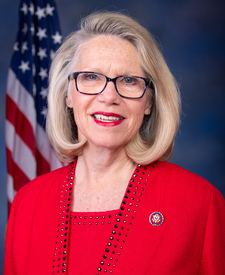

Legislative Progress
In CommitteeMr. Smucker (for himself and Mr. Owens) introduced the following …
Referred to the House Committee on Education and Workforce.
Introduced in House
Stakeholder Effects
cui bono?How this legislation distributes effects. Mention counts reflect frequency, not effect magnitude.
Grant recipients, Reentry nonprofits
Positive-direction: Reentry nonprofits
Negative-direction: Grant recipients
Bill Structure & Actor Mappings
Who is "The Secretary" in each section?
We use a combination of our own taxonomy and classification in addition to large language models to assess meaning and potential beneficiaries. High confidence means strong textual evidence. Always verify with the original bill text.
Learn more about our methodology