Finish the Wall Act
Summary
What This Bill Does
The Finish the Wall Act directs the Secretary of Homeland Security to restart all border wall system construction activities along the U.S.-Mexico border that were underway or being planned before January 20, 2021. DHS must resume those activities within 24 hours after enactment, may not cancel construction-related contracts entered on or before January 20, 2021, and must spend all funds appropriated or explicitly obligated for border wall construction beginning October 1, 2016. Within 30 days, DHS must submit an implementation plan to the relevant Homeland Security and Appropriations committees to complete the covered border wall system by September 30, 2026. The bill defines tactical infrastructure to include boat ramps, access gates, checkpoints, lighting, and roads, and technology to include surveillance and detection systems associated with the wall.
Who Benefits and How
Border Patrol agents benefit if wall, tactical infrastructure, roads, lighting, and detection technology are completed along planned sectors. Border wall contractors benefit because DHS may not cancel covered pre-2021 contracts and must spend obligated construction funds. Border security advocates benefit from a statutory deadline and congressional reporting plan for completing wall construction. Homeland Security committees benefit from a required implementation plan within 30 days.
Who Bears the Burden and How
The Department of Homeland Security must restart construction within 24 hours and manage a September 30, 2026 completion plan. Border communities may face construction disruption, land-use impacts, and environmental effects from resumed wall projects. Environmental organizations lose leverage if prior construction activities restart quickly under a statutory mandate. Federal taxpayers bear the cost of spending appropriated or obligated wall funds on construction, tactical infrastructure, and technology.
Key Provisions
- Requires DHS to resume pre-January 20, 2021 border wall construction within 24 hours.
- Prohibits cancellation of covered border wall construction contracts.
- Directs expenditure of funds appropriated or obligated for border wall construction since October 1, 2016.
- Requires a congressional implementation plan to complete construction by September 30, 2026.
Evidence Chain:
This summary is generated from the full bill text using AI analysis. Expand "Detailed Analysis" below for identified beneficiaries/burden bearers with clause-level evidence links.
At a Glance
What This Bill Does
Requires DHS to resume pre-January 20, 2021 border wall system construction within 24 hours, bars cancellation of related contracts, directs use of prior appropriated or obligated funds, and requires a plan to complete construction by September 30, 2026.
Key Policy Areas
Border Security, Homeland Security, Appropriations
Primary Purpose
Requires DHS to resume pre-January 20, 2021 border wall system construction within 24 hours, bars cancellation of related contracts, directs use of prior appropriated or obligated funds, and requires a plan to complete construction by September 30, 2026.
Policy Domains
Resolution provisions
Identified Gains
- Border Patrol agents
- Border wall contractors
- Border security advocates
- Homeland Security committees
Identified Costs
- Department of Homeland Security
- Border communities
- Environmental organizations
- Federal taxpayers
Sponsors
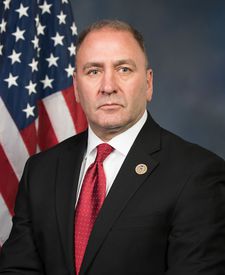

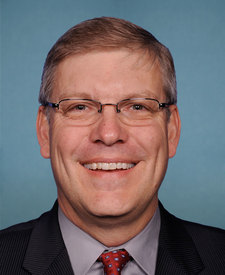
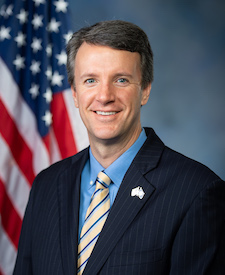
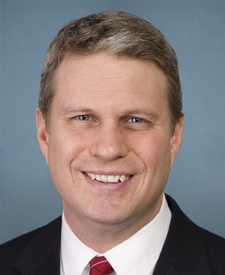
Legislative Progress
In CommitteeMr. Higgins of Louisiana (for himself, Mr. Brecheen, Mr. Bergman, …
Referred to the Subcommittee on Border Security and Enforcement.
Referred to the House Committee on Homeland Security.
Introduced in House
Stakeholder Effects
cui bono?How this legislation distributes effects. Mention counts reflect frequency, not effect magnitude.
Bill Structure & Actor Mappings
Who is "The Secretary" in each section?
We use a combination of our own taxonomy and classification in addition to large language models to assess meaning and potential beneficiaries. High confidence means strong textual evidence. Always verify with the original bill text.
Learn more about our methodology