To amend title XVIII of the Social Security Act to expand practitioners eligible to furnish telehealth services under the Medicare program.
Summary
What This Bill Does
H.R. 1614 amends title XVIII of the Social Security Act to expand which practitioners may furnish Medicare telehealth services. The local database has no clause text for this row, so this analysis is grounded in the official title and public sponsor description: the bill would permanently add qualified physical therapists, occupational therapists, speech-language pathologists, and audiologists to the Medicare telehealth practitioner list. The practical effect is to preserve remote access for therapy, hearing, speech, language, swallowing, balance, mobility, and rehabilitation services after temporary pandemic-era or appropriations-based authorities expire.
Who Benefits and How
Medicare beneficiaries benefit because rehabilitation, speech, hearing, and therapy services can be furnished remotely by more practitioner types. Physical therapists benefit from permanent Medicare telehealth billing authority for covered services. Occupational therapists benefit because remote visits can support home safety, function, and activities-of-daily-living interventions. Speech-language pathologists benefit because Medicare telehealth can cover speech, language, swallowing, and cognitive communication services. Audiologists benefit because hearing and balance services can remain available through telehealth when clinically appropriate.
Who Bears the Burden and How
CMS must update Medicare telehealth practitioner rules, billing instructions, and program-integrity oversight. Medicare contractors must process claims for additional telehealth practitioner categories. In-person therapy clinics may face more competition from remote-service providers. Program integrity staff must monitor whether expanded telehealth billing remains clinically appropriate and properly documented.
Key Provisions
- Expands Medicare telehealth eligibility to physical therapists.
- Adds occupational therapists, speech-language pathologists, and audiologists as eligible telehealth practitioners.
- Provides permanent statutory authority rather than relying on temporary telehealth extensions.
- Requires Medicare administrators to update payment and billing rules for the expanded practitioner list.
Evidence Chain:
This summary is generated from the full bill text using AI analysis. Expand "Detailed Analysis" below for identified beneficiaries/burden bearers.
At a Glance
What This Bill Does
Permanently expands Medicare telehealth practitioner eligibility to include physical therapists, occupational therapists, speech-language pathologists, and audiologists.
Key Policy Areas
Medicare, Telehealth, Rehabilitation
Primary Purpose
Permanently expands Medicare telehealth practitioner eligibility to include physical therapists, occupational therapists, speech-language pathologists, and audiologists.
Policy Domains
Resolution provisions
Identified Gains
Contextual inference, no direct clause citation- Medicare beneficiaries
- Physical therapists
- Occupational therapists
- Speech-language pathologists
- Audiologists
Contextual inference, no direct clause citation
Identified Costs
Contextual inference, no direct clause citation- CMS
- Medicare contractors
- In-person therapy clinics
- Program integrity staff
Contextual inference, no direct clause citation
Sponsors

Legislative Progress
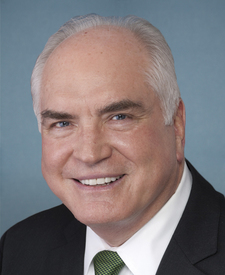
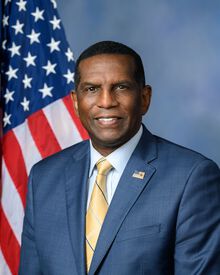
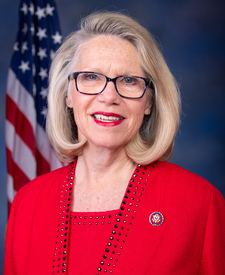
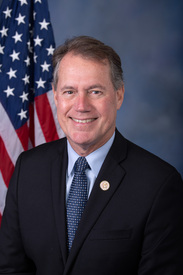
In CommitteeMr. Kelly of Pennsylvania (for himself, Mr. Thompson of California, …
Referred to the Committee on Energy and Commerce, and in …
Introduced in House
Bill Structure & Actor Mappings
Who is "The Secretary" in each section?
We use a combination of our own taxonomy and classification in addition to large language models to assess meaning and potential beneficiaries. High confidence means strong textual evidence. Always verify with the original bill text.
Learn more about our methodology