Sustainable Aviation Fuel Act
Summary
What This Bill Does
The Sustainable Aviation Fuel Act is a multi-part aviation decarbonization bill. It defines sustainable aviation fuel, qualified feedstocks, lifecycle greenhouse gas emissions, induced land-use change emissions, and conventional jet fuel. It authorizes $200 million per year from fiscal years 2026 through 2030 for the Alternative Fuel and Low-Emission Aviation Technology Program. EPA must establish a low-carbon aviation fuel standard that reduces average aviation-fuel carbon intensity at least 50 percent below the 2005 baseline by 2050, using credit trading and lifecycle accounting. DOD must buy sustainable aviation fuel equal to at least 10 percent of operational aviation fuel procurement when the SAF is domestically produced, suitable for military aircraft, and competitive with the fully burdened cost of conventional fuel. FAA and DOE receive research duties on drop-in SAF, non-CO2 climate impacts, contrails, cover crops, national laboratories, and industry collaboration. The bill also extends the section 45Z clean fuel production credit for SAF through 2032 and adds SAF production property to the section 48 energy credit with phased percentages through 2038.
Who Benefits and How
SAF manufacturers benefit from grants, DOD bulk purchases, extended clean-fuel credits, and energy-credit eligibility for production property. Airline workers benefit if the grant and credit structure expands domestic SAF supply and supports lower-emission aviation operations. Feedstock farmers benefit from DOE research on cover crops and conservation crops for SAF production. Aviation climate researchers benefit from FAA work on non-carbon dioxide impacts, water vapor, contrails, and lifecycle methodology. Defense aviation officers benefit from a domestic SAF procurement rule that includes suitability and cost-competitiveness safeguards.
Who Bears the Burden and How
The Environmental Protection Agency must create and administer a low-carbon aviation fuel standard, credit exchange, and annual carbon-intensity reductions. The Department of Defense must certify, procure, track, or waive sustainable aviation fuel purchases. Conventional fuel manufacturers face pressure from a carbon-intensity standard and expanded SAF incentives. Federal taxpayers bear grant, research, procurement, and tax-credit costs. Fuel compliance staff must account for lifecycle emissions, induced land-use change, feedstock qualification, and credit compliance.
Key Provisions
- Authorizes $200 million per year from fiscal years 2026 through 2030 for low-emission aviation grants.
- Requires EPA to establish a low-carbon aviation fuel standard reaching at least 50 percent carbon-intensity reduction by 2050.
- Directs DOD to buy at least 10 percent sustainable aviation fuel when domestic, suitable, and cost competitive.
- Expands FAA and DOE research on SAF feedstocks, contrails, non-CO2 impacts, and lifecycle analysis.
- Extends the section 45Z clean fuel production credit for SAF through 2032 and adds SAF production property to section 48.
Evidence Chain:
This summary is generated from the full bill text using AI analysis. Expand "Detailed Analysis" below for identified beneficiaries/burden bearers with clause-level evidence links.
At a Glance
What This Bill Does
Expands sustainable aviation fuel policy through grant authorization, a Clean Air Act low-carbon aviation fuel standard, Defense Department procurement, FAA and Energy Department research, clean-fuel credit extension, and energy-credit treatment for SAF production property.
Key Policy Areas
Aviation, Climate, Tax Credits
Primary Purpose
Expands sustainable aviation fuel policy through grant authorization, a Clean Air Act low-carbon aviation fuel standard, Defense Department procurement, FAA and Energy Department research, clean-fuel credit extension, and energy-credit treatment for SAF production property.
Policy Domains
Resolution provisions
Identified Gains
- SAF manufacturers
- Airline workers
- Feedstock farmers
- Aviation climate researchers
- Defense aviation officers
Identified Costs
- Environmental Protection Agency
- Department of Defense
- Conventional fuel manufacturers
- Federal taxpayers
- Fuel compliance staff
Sponsors
Legislative Progress
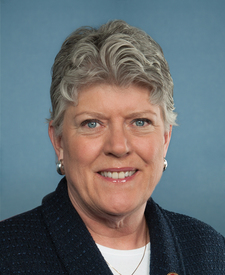
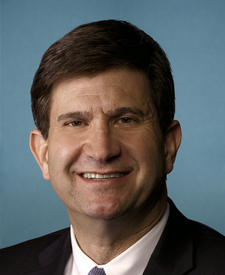
In CommitteeMs. Brownley (for herself and Mr. Schneider) introduced the following …
Referred to the Subcommittee on Aviation.
Referred to the Committee on Energy and Commerce, and in …
Introduced in House
Stakeholder Effects
cui bono?How this legislation distributes effects. Mention counts reflect frequency, not effect magnitude.
Bill Structure & Actor Mappings
Who is "The Secretary" in each section?
We use a combination of our own taxonomy and classification in addition to large language models to assess meaning and potential beneficiaries. High confidence means strong textual evidence. Always verify with the original bill text.
Learn more about our methodology