Conrad State 30 and Physician Access Reauthorization Act
Summary
What This Bill Does
The Conrad State 30 and Physician Access Reauthorization Act updates immigration rules for foreign physicians who serve medically underserved communities. It lets alien physicians who complete waiver service requirements, and their spouses and children, qualify for immediate-relative style treatment for visa-number purposes. It modernizes waiver employment rules under the Department of Homeland Security, requires bona fide full-time employment in public-interest health facilities or shortage areas, and provides employment protections so physicians are not trapped by abusive or failed placements. It increases each state's Conrad waiver allotment from 30 to 35 when 90 percent of available waivers are used, then allows additional five-waiver increases in later years with usage thresholds, maintaining increases unless usage falls. It also updates physician immigration procedures and requires USCIS to report annually to Congress and HHS on Conrad admissions by state.
Who Benefits and How
Foreign physicians in underserved areas benefit from clearer immigration retention paths after completing waiver service. Medically underserved communities benefit if more primary care and specialty physicians remain after J-1 waiver obligations. State health agencies benefit from larger Conrad waiver allotments when states use existing slots. Hospitals and clinics in shortage areas benefit from broader physician recruitment and retention authority. USCIS and HHS benefit from annual state-by-state data on Conrad admissions.
Who Bears the Burden and How
The Department of Homeland Security must administer updated waiver, petition, and adjustment procedures for physicians. USCIS must prepare annual Conrad State 30 statistical reports for Congress and HHS. Employing health facilities must meet bona fide full-time employment and public-interest requirements. States must manage waiver usage carefully to qualify for or retain higher allotments. Competing physician employers may face tighter labor competition for doctors serving shortage areas.
Key Provisions
- Expands immigrant physician retention after completion of Conrad waiver service requirements.
- Creates employment protections and updated waiver procedures for physicians serving shortage areas.
- Increases state Conrad waiver allotments from 30 to 35 and adds five-waiver increases when usage thresholds are met.
- Requires annual USCIS reports to Congress and HHS on Conrad State 30 admissions by state.
Evidence Chain:
This summary is generated from the full bill text using AI analysis. Expand "Detailed Analysis" below for identified beneficiaries/burden bearers with clause-level evidence links.
At a Glance
What This Bill Does
Reauthorizes and expands the Conrad State 30 physician waiver program by improving immigrant physician retention, adding employment protections, increasing state waiver allotments when usage thresholds are met, and requiring annual USCIS reports.
Key Policy Areas
Immigration, Health Workforce, Rural Health
Primary Purpose
Reauthorizes and expands the Conrad State 30 physician waiver program by improving immigrant physician retention, adding employment protections, increasing state waiver allotments when usage thresholds are met, and requiring annual USCIS reports.
Policy Domains
Resolution provisions
Identified Gains
- Foreign physicians
- Underserved communities
- State health agencies
- Shortage-area clinics
- USCIS
Identified Costs
- Department of Homeland Security
- USCIS
- Health facilities
- States
- Competing physician employers
Sponsors
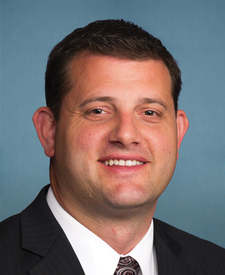
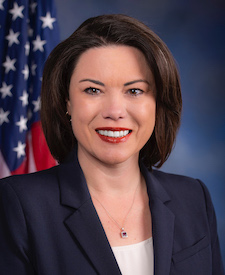
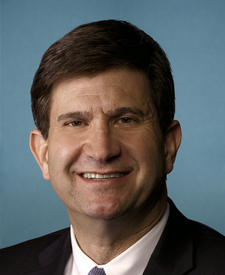

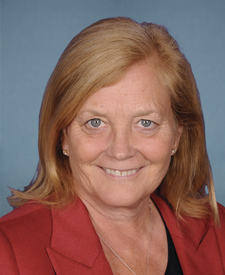
Legislative Progress
In CommitteeMr. Valadao (for himself, Mr. Bacon, Mr. Schneider, and Ms. …
Referred to the House Committee on the Judiciary.
Introduced in House
Stakeholder Effects
cui bono?How this legislation distributes effects. Mention counts reflect frequency, not effect magnitude.
Foreign physicians, Health facilities, Underserved communities
Positive-direction: Underserved communities
Negative-direction: Health facilities
Bill Structure & Actor Mappings
Who is "The Secretary" in each section?
We use a combination of our own taxonomy and classification in addition to large language models to assess meaning and potential beneficiaries. High confidence means strong textual evidence. Always verify with the original bill text.
Learn more about our methodology