REPAIR Act
Summary
What This Bill Does
The REPAIR Act is a federal motor-vehicle right-to-repair bill. It prohibits motor vehicle manufacturers from using specified technological or legal barriers that impair owners' access to vehicle-generated data, independent repair access to critical repair information and tools, aftermarket parts compatibility, owner choice of towing or service providers, or owner ability to diagnose and repair vehicles. It creates a Fair Competition After Vehicles Are Sold Advisory Committee chaired by the Federal Trade Commission and including NHTSA, independent repairers, parts retailers and distributors, original equipment parts manufacturers, aftermarket manufacturers, tool makers, vehicle manufacturers, dealership service centers, consumer-rights organizations, insurers, and trucking companies. NHTSA must issue point-of-purchase notice rules within 180 days. FTC enforces the Act as an unfair or deceptive acts or practices rule, handles complaints, reports every two years to Congress, and state laws covered by the federal rule are preempted.
Who Benefits and How
Motor vehicle owners benefit because manufacturers cannot block access to vehicle data, diagnostics, chosen towing, or chosen repair providers. Independent repair facilities benefit from access to critical repair information and tools needed to compete with dealer service centers. Aftermarket parts manufacturers benefit because manufacturers cannot use barriers that prevent compatible aftermarket parts. Diagnostic tool manufacturers benefit because the bill protects access to information needed to build repair tools. Automobile insurers and trucking companies benefit from advisory-committee representation and more repair-market competition.
Who Bears the Burden and How
Motor vehicle manufacturers must remove covered data, repair, parts, towing, and diagnostic barriers. Dealership service centers may face more competition from independent repair shops and aftermarket providers. The Federal Trade Commission must enforce complaints, issue orders, and report every two years to Congress. NHTSA must write point-of-purchase disclosure regulations in consultation with FTC. States lose authority to maintain covered repair and data-access laws once federal rules apply.
Key Provisions
- Prohibits vehicle manufacturers from blocking owner data access, repair tools, aftermarket parts, or chosen service.
- Creates the Fair Competition After Vehicles Are Sold Advisory Committee with FTC and NHTSA participation.
- Requires NHTSA point-of-purchase notices about vehicle owners' repair and data rights.
- Authorizes FTC enforcement, complaint handling, penalties, and biennial reports to Congress.
- Preempts covered state laws on motor vehicle repair and data-access issues.
Evidence Chain:
This summary is generated from the full bill text using AI analysis. Expand "Detailed Analysis" below for identified beneficiaries/burden bearers with clause-level evidence links.
At a Glance
What This Bill Does
Bars motor vehicle manufacturers from using technological or legal barriers that block owners, independent repair facilities, aftermarket manufacturers, diagnostic tool makers, and towing providers from vehicle data, repair tools, parts compatibility, or chosen service.
Key Policy Areas
Consumer Protection, Automotive, Competition
Primary Purpose
Bars motor vehicle manufacturers from using technological or legal barriers that block owners, independent repair facilities, aftermarket manufacturers, diagnostic tool makers, and towing providers from vehicle data, repair tools, parts compatibility, or chosen service.
Policy Domains
Resolution provisions
Identified Gains
- Motor vehicle owners
- Independent repair facilities
- Aftermarket parts manufacturers
- Diagnostic tool manufacturers
- Automobile insurers
Identified Costs
- Motor vehicle manufacturers
- Dealership service centers
- Federal Trade Commission
- NHTSA
- States
Sponsors
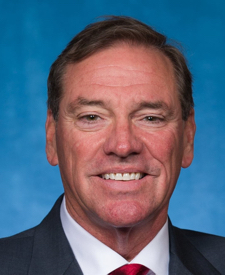
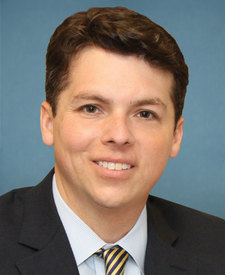

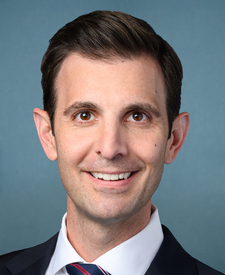
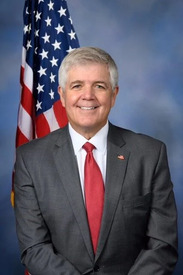
Legislative Progress
In CommitteeForwarded by Subcommittee to Full Committee by Voice Vote.
Subcommittee Consideration and Mark-up Session Held
Mr. Dunn of Florida (for himself, Ms. Perez, Mr. Davidson, …
Referred to the Subcommittee on Commerce, Manufacturing, and Trade.
Referred to the House Committee on Energy and Commerce.
Introduced in House
Stakeholder Effects
cui bono?How this legislation distributes effects. Mention counts reflect frequency, not effect magnitude.
Aftermarket parts manufacturers, Dealership service centers, Independent repair facilities
Positive-direction: Aftermarket parts manufacturers, Independent repair facilities
Negative-direction: Dealership service centers, Motor vehicle manufacturers
Bill Structure & Actor Mappings
Who is "The Secretary" in each section?
We use a combination of our own taxonomy and classification in addition to large language models to assess meaning and potential beneficiaries. High confidence means strong textual evidence. Always verify with the original bill text.
Learn more about our methodology