Ethan's Law
Summary
What This Bill Does
Ethan's Law creates a federal safe-storage rule for firearms in residences. A person may not store or keep a firearm that moved in interstate or foreign commerce at a residence under that person's control if the person knows or reasonably should know that a minor is likely to gain unauthorized access or that a resident is legally ineligible to possess a firearm. The owner avoids liability by securing the firearm with a safe-storage device, keeping it in a reasonably secure location, or carrying it on or near the person. Violations carry a $500 fine, with higher consequences when a minor or prohibited resident obtains the firearm and causes injury or death. The bill also creates an Omnibus Crime Control and Safe Streets Act grant program for states and Indian Tribes with functionally identical laws, and states Congress's view that violations constitute negligence and proximate cause when they lead to firearm harm.
Who Benefits and How
Children in homes with firearms benefit because adults must secure guns when minors are likely to gain unauthorized access. Families facing youth suicide risk benefit if safe storage reduces access to unsecured firearms in a residence. States with safe-storage laws benefit from federal grants to implement functionally identical requirements. Indian Tribes benefit from eligibility for Firearm Safe Storage Program grants when they enact matching Tribal laws. Gun safety organizations benefit from a federal negligence and proximate-cause statement that supports civil accountability arguments.
Who Bears the Burden and How
Gun owners with minors or prohibited residents in the home must secure firearms or face fines and possible criminal consequences. The Department of Justice must administer safe-storage grants and evaluate state or Tribal certification. State attorneys general must certify that qualifying laws reflect the federal safe-storage standard. Federal courts may see litigation over penalties, negligence, proximate cause, and interstate-commerce coverage.
Key Provisions
- Prohibits unsecured residential firearm storage when minors or prohibited residents are likely to gain access.
- Authorizes a $500 fine and escalated consequences when an unsecured firearm causes harm.
- Creates Firearm Safe Storage Program grants for states and Indian Tribes with matching laws.
- Provides congressional liability guidance treating violations as negligence and proximate cause for resulting firearm harm.
Evidence Chain:
This summary is generated from the full bill text using AI analysis. Expand "Detailed Analysis" below for identified beneficiaries/burden bearers with clause-level evidence links.
At a Glance
What This Bill Does
Creates a federal residential firearm safe-storage requirement when minors or prohibited residents are likely to access a gun, adds escalating penalties, funds state and Tribal safe-storage laws, and states liability principles for violations.
Key Policy Areas
Gun Safety, Criminal Justice, Federal Grants
Primary Purpose
Creates a federal residential firearm safe-storage requirement when minors or prohibited residents are likely to access a gun, adds escalating penalties, funds state and Tribal safe-storage laws, and states liability principles for violations.
Policy Domains
Resolution provisions
Identified Gains
- Children in firearm homes
- Youth suicide prevention families
- States with safe-storage laws
- Indian Tribes
- Gun safety organizations
Identified Costs
- Gun owners
- Department of Justice
- State attorneys general
- Federal courts
Sponsors

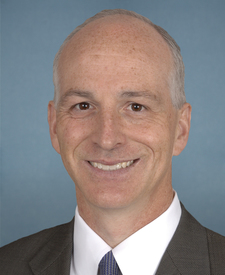

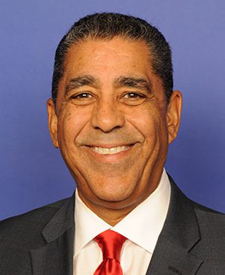

Legislative Progress
In CommitteeMs. DeLauro (for herself, Mr. Larson of Connecticut, Mr. Courtney, …
Referred to the House Committee on the Judiciary.
Introduced in House
Stakeholder Effects
cui bono?How this legislation distributes effects. Mention counts reflect frequency, not effect magnitude.
Department of Justice, Indian Tribes
Positive-direction: Indian Tribes
Negative-direction: Department of Justice
Bill Structure & Actor Mappings
Who is "The Secretary" in each section?
We use a combination of our own taxonomy and classification in addition to large language models to assess meaning and potential beneficiaries. High confidence means strong textual evidence. Always verify with the original bill text.
Learn more about our methodology