Federal Retirement Fairness Act
Summary
What This Bill Does
The Federal Retirement Fairness Act changes Federal Employees Retirement System creditable-service rules. Current employees and Members of Congress, including Postal Service workers with temporary service, could make a deposit for certain temporary federal employment performed after 1988 and have that time count toward retirement. The bill strikes the old limitation that generally recognized only pre-1989 temporary service. It also directs the Office of Personnel Management to notify agency chief human capital officers and other officials so eligible workers know they can make deposits. The practical result is that people who spent years in temporary federal jobs can buy retirement credit instead of having that service ignored.
Who Benefits and How
Former temporary federal employees benefit because qualifying post-1988 service can count toward FERS retirement after a deposit. Postal Service workers benefit because the bill expressly reaches USPS temporary service before permanent appointment. Federal retirees benefit if added service credit increases annuity eligibility or the size of retirement benefits. Federal employee unions benefit from a statutory fix for workers who served in temporary appointments without retirement credit.
Who Bears the Burden and How
The Office of Personnel Management must issue guidance, coordinate notifications, and update retirement-processing rules. Agency human capital offices must identify eligible workers and communicate the deposit opportunity. Federal retirement funds bear added long-term annuity obligations when workers buy previously excluded service credit. Eligible employees must pay required deposits before receiving the added credit.
Key Provisions
- Amends FERS creditable-service rules for temporary federal service after 1988.
- Authorizes current employees and Members to make deposits for qualifying temporary service.
- Includes Postal Service temporary employees in the eligible population.
- Requires OPM notification to agency human capital officials and other relevant offices.
Evidence Chain:
This summary is generated from the full bill text using AI analysis. Expand "Detailed Analysis" below for identified beneficiaries/burden bearers with clause-level evidence links.
At a Glance
What This Bill Does
Lets current federal employees, Members of Congress, and Postal Service workers make retirement deposits so post-1988 temporary federal service can count as creditable service under FERS.
Key Policy Areas
Federal Workforce, Retirement, Postal Service
Primary Purpose
Lets current federal employees, Members of Congress, and Postal Service workers make retirement deposits so post-1988 temporary federal service can count as creditable service under FERS.
Policy Domains
Resolution provisions
Identified Gains
- Former temporary federal employees
- Postal Service workers
- Federal retirees
- Federal employee unions
Identified Costs
- OPM
- Agency human capital offices
- Federal retirement funds
- Eligible employees
Sponsors
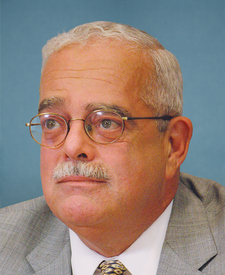

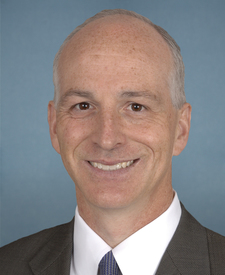

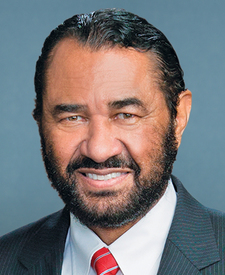
Legislative Progress
In CommitteeASSUMING FIRST SPONSORSHIP - Ms. Randall asked unanimous consent that …
Mr. Connolly (for himself, Mr. Valadao, Ms. Budzinski, Mr. Bacon, …
Referred to the House Committee on Oversight and Government Reform.
Introduced in House
Stakeholder Effects
cui bono?How this legislation distributes effects. Mention counts reflect frequency, not effect magnitude.
Eligible employees, Former temporary federal employees, Postal Service workers
Positive-direction: Former temporary federal employees, Postal Service workers
Negative-direction: Eligible employees
Bill Structure & Actor Mappings
Who is "The Secretary" in each section?
We use a combination of our own taxonomy and classification in addition to large language models to assess meaning and potential beneficiaries. High confidence means strong textual evidence. Always verify with the original bill text.
Learn more about our methodology