Enhanced Iran Sanctions Act of 2025
Summary
What This Bill Does
The Enhanced Iran Sanctions Act of 2025 states a U.S. policy to fully enforce sanctions against Iran, especially its petroleum and petrochemical sectors, to deny Iran resources for nuclear weapons capabilities, weapons of mass destruction, missiles and drones, terrorism, destabilizing activity, targeting U.S. citizens, and repression of Iranian citizens. It expands the State Department Rewards for Justice program to cover identification of people attempting to evade sanctions with proceeds from transactions involving Iranian oil, condensates, petroleum, or petrochemical products. It authorizes the President to impose sanctions on foreign persons knowingly engaged in significant transactions related to processing, refining, export, transfer, or sale of Iranian petroleum or petrochemical products, as well as subsidiaries, corporate officers, immediate family members who demonstrably benefit, and parties conducting significant transactions with persons covered by the Stop Harboring Iranian Petroleum Act. Sanctions include blocking property under IEEPA and visa inadmissibility, visa ineligibility, exclusion, parole ineligibility, and visa revocation. The bill requires regulations or guidance within 60 days and applies IEEPA civil and criminal penalties. It preserves exceptions for U.N. headquarters obligations, intelligence, law enforcement, national security, humanitarian goods and assistance, vessel crew safety and environmental protection, case-by-case waivers, and importation of goods. The sanctions authority ceases 30 days after the President certifies Iran no longer supports international terrorism and has verifiably dismantled nuclear, biological, chemical, ballistic missile, and launch technology pursuits.
Who Benefits and How
U.S. foreign-policy officials benefit because the bill adds sanctions tools against Iranian oil and petrochemical revenue. Rewards for Justice informants benefit from eligibility for rewards tied to identifying sanctions evaders. Iranian citizens opposing repression benefit indirectly from a policy aimed at reducing resources available to Iran's government for repression and destabilizing activity. U.S. national-security agencies benefit from preserved intelligence, law-enforcement, and national-security exceptions. Humanitarian organizations benefit from explicit exceptions for agricultural commodities, food, medicine, medical devices, humanitarian assistance, and related transactions. Vessel crews benefit from provisions allowing safety and care supplies even when a vessel is otherwise connected to sanctions.
Who Bears the Burden and How
Foreign persons involved in significant Iranian petroleum or petrochemical transactions face blocked property and visa sanctions. Subsidiaries, corporate officers, principal executive officers, and family members who demonstrably benefit can also be sanctioned. Counterparties transacting with covered Stop Harboring Iranian Petroleum Act persons face sanctions exposure. The President must issue implementing regulations or guidance within 60 days and report detailed justifications for waivers and renewals. Financial institutions, traders, refiners, shipping firms, and petrochemical companies touching Iranian products must manage higher sanctions risk and due diligence burdens.
Key Provisions
- Expands Rewards for Justice to identify Iranian petroleum and petrochemical sanctions evaders.
- Authorizes property-blocking sanctions for significant Iranian oil, condensate, petroleum, or petrochemical transactions.
- Authorizes visa inadmissibility, revocation, and exclusion sanctions for covered aliens.
- Extends exposure to subsidiaries, corporate officers, benefiting immediate family members, and certain counterparties.
- Requires implementation regulations or guidance within 60 days.
- Provides humanitarian, intelligence, law-enforcement, national-security, vessel-safety, waiver, and import exceptions.
- Terminates the sanctions authority after presidential certification on terrorism support and verified dismantlement of weapons and missile programs.
Evidence Chain:
This summary is generated from the full bill text using AI analysis. Expand "Detailed Analysis" below for identified beneficiaries/burden bearers with clause-level evidence links.
At a Glance
What This Bill Does
Expands Iran sanctions by adding rewards for information on sanctions evasion, authorizing property-blocking and visa sanctions for foreign persons involved in significant Iranian petroleum or petrochemical transactions and their subsidiaries, officers, family beneficiaries, or counterparties, requiring implementation guidance within 60 days, and preserving humanitarian, intelligence, law-enforcement, national-security, vessel-safety, import, waiver, and termination exceptions.
Key Policy Areas
Foreign Affairs, Energy, Sanctions
Primary Purpose
Expands Iran sanctions by adding rewards for information on sanctions evasion, authorizing property-blocking and visa sanctions for foreign persons involved in significant Iranian petroleum or petrochemical transactions and their subsidiaries, officers, family beneficiaries, or counterparties, requiring implementation guidance within 60 days, and preserving humanitarian, intelligence, law-enforcement, national-security, vessel-safety, import, waiver, and termination exceptions.
Policy Domains
House resolution provisions
Identified Gains
- Department of State sanctions officials
- Rewards for Justice informants
- Iranian citizens opposing repression
- U.S. national-security agencies
- Humanitarian organizations
- Vessel crews
Identified Costs
- Foreign persons in Iranian petroleum transactions
- Corporate officers of covered firms
- Benefiting immediate family members
- Financial institutions
- Shipping firms
- President of the United States
- Department of the Treasury sanctions staff
Sponsors


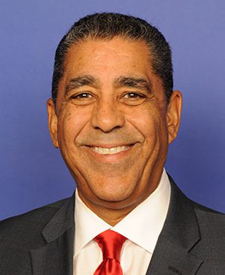
Legislative Progress
ReportedReceived; read twice and referred to the Committee on Foreign …
Received in the Senate and Read twice and referred to …
The title of the measure was amended. Agreed to without …
Motion to reconsider laid on the table Agreed to without …
On motion to suspend the rules and pass the bill, …
Passed/agreed to in House: On motion to suspend the rules …
DEBATE - The House proceeded with forty minutes of debate …
Considered under suspension of the rules. (consideration: CR H2500-2503)
Mrs. Kim moved to suspend the rules and pass the …
Motion to place bill on Consensus Calendar filed by Mr. …
Stakeholder Effects
cui bono?How this legislation distributes effects. Mention counts reflect frequency, not effect magnitude.
Rewards for Justice informants, U.S. foreign-policy officials
Bill Structure & Actor Mappings
Who is "The Secretary" in each section?
- "state"
- → Department of State
- "president"
- → President of the United States
We use a combination of our own taxonomy and classification in addition to large language models to assess meaning and potential beneficiaries. High confidence means strong textual evidence. Always verify with the original bill text.
Learn more about our methodology