To amend title 38, United States Code, to establish a presumption that certain veterans were exposed to radiation and other toxins at the Nevada Test and Training Range for purposes of the treatment of certain disabilities under the laws administered by the Secretary of Veterans Affairs, and for other purposes.
Summary
What This Bill Does
H.R. 1400 amends title 38 so certain Nevada Test and Training Range service counts as a radiation-risk activity and as a toxic-exposure assignment. It covers onsite participation in development, construction, operation, or maintenance of a military installation at covered Nevada Test and Training Range locations from January 1, 1972, through December 31, 2004, including Indian Springs Auxiliary Airfield but excluding Nellis Air Force Base and Creech Air Force Base. It also adds active military, naval, air, or space service assigned to duty stations in or above covered locations during that period to the toxic-exposure presumption. The bill makes it easier for affected veterans to receive VA treatment or disability handling without proving individual exposure from scratch.
Who Benefits and How
Veterans who served at covered Nevada Test and Training Range locations benefit from statutory exposure presumptions. Veterans with radiation-linked conditions benefit because covered service can qualify as a radiation-risk activity. Veterans with toxic-exposure disabilities benefit because VA must presume exposure for covered duty assignments. Veterans service officers benefit from clearer evidence rules for claims tied to Indian Springs and other covered range locations.
Who Bears the Burden and How
The Department of Veterans Affairs must update claims, treatment, and adjudication guidance for the new presumptions. VA disability adjudicators must verify covered location and service dates from January 1, 1972, through December 31, 2004. Federal taxpayers bear the cost of additional treatment and compensation for newly presumed exposure cases. Defense records offices may face more requests for duty-station and range-assignment documentation.
Key Provisions
- Amends title 38 to treat covered Nevada Test and Training Range work as a radiation-risk activity.
- Adds covered range assignments to VA toxic-exposure presumption rules.
- Defines covered locations to include Indian Springs Auxiliary Airfield and exclude Nellis and Creech Air Force Bases.
- Covers service from January 1, 1972, through December 31, 2004.
Evidence Chain:
This summary is generated from the full bill text using AI analysis. Expand "Detailed Analysis" below for identified beneficiaries/burden bearers with clause-level evidence links.
At a Glance
What This Bill Does
Creates radiation-risk and toxic-exposure presumptions for veterans who served at covered Nevada Test and Training Range locations from January 1, 1972, through December 31, 2004.
Key Policy Areas
Veterans, Toxic Exposure, Disability Benefits
Primary Purpose
Creates radiation-risk and toxic-exposure presumptions for veterans who served at covered Nevada Test and Training Range locations from January 1, 1972, through December 31, 2004.
Policy Domains
Resolution provisions
Identified Gains
- Nevada Test and Training Range veterans
- Radiation-linked condition veterans
- Toxic-exposure disability veterans
- Veterans service officers
Identified Costs
- Department of Veterans Affairs
- VA disability adjudicators
- Federal taxpayers
- Defense records offices
Sponsors




Legislative Progress
In CommitteeReferred to the Subcommittee on Disability Assistance and Memorial Affairs.
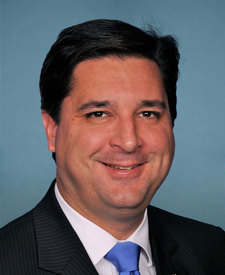
Mr. Amodei of Nevada (for himself and Ms. Lee of …
Referred to the House Committee on Veterans' Affairs.
Introduced in House
Stakeholder Effects
cui bono?How this legislation distributes effects. Mention counts reflect frequency, not effect magnitude.
Nevada Test and Training Range veterans, Toxic-exposure disability veterans
Bill Structure & Actor Mappings
Who is "The Secretary" in each section?
We use a combination of our own taxonomy and classification in addition to large language models to assess meaning and potential beneficiaries. High confidence means strong textual evidence. Always verify with the original bill text.
Learn more about our methodology