To amend title 5, United States Code, to prohibit Federal employees from advocating for censorship of viewpoints in their official capacity, and for other purposes.
Analysis under review: This bill has generated analysis that may be too generic or incomplete. Clause-level evidence remains available below.
Summary
What This Bill Does
This bill amends title 5 to bar Federal employees from using official authority or influence to censor private speech or to pressure private entities to censor speech. It also requires inspector-general style public reporting on complaints, investigations, and disciplinary actions related to the prohibition.
Who Benefits and How
Private speakers, media platforms, and other private entities benefit from reduced risk of Federal pressure to remove or suppress lawful speech. Congress and the public benefit from oversight reporting.
Who Bears the Burden and How
Federal employees and agencies face new conduct limits, compliance exposure, and reporting duties. Inspectors general face recurring reporting work.
Key Provisions
- States congressional policy against Federal employee censorship
- Prohibits Federal employees from using official authority to censor private entities or speech
- Adds recurring public reporting on complaints, investigations, discipline, and referrals
Evidence Chain:
This summary is generated from the full bill text using AI analysis. Expand "Detailed Analysis" below for identified beneficiaries/burden bearers.
At a Glance
What This Bill Does
Prohibits Federal employees from using official authority to censor private speech or pressure third parties to censor speech, and adds oversight reporting on complaints and investigations.
Key Policy Areas
Civil Rights, Government Operations, Technology, Oversight
Primary Purpose
Prohibits Federal employees from using official authority to censor private speech or pressure third parties to censor speech, and adds oversight reporting on complaints and investigations.
Policy Domains
Federal employee censorship prohibition
Identified Gains
Contextual inference, no direct clause citation- Private speakers
- Private online platforms
- Civil liberties advocates
Contextual inference, no direct clause citation
Identified Costs
Contextual inference, no direct clause citation- Federal employees
- Federal agencies
- Inspectors general
Contextual inference, no direct clause citation
Sponsors
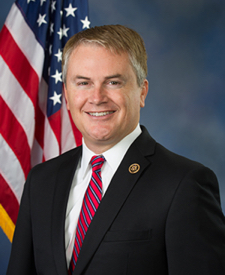



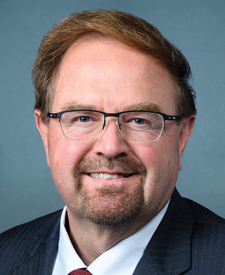
Legislative Progress
ReportedReceived; read twice and referred to the Committee on Homeland …
Additional sponsors: Mr. Grothman, Mr. Biggs, Mr. Langworthy, Ms. Mace, …
Reported with an amendment, committed to the Committee of the …
Mr. Comer (for himself, Mr. Jordan, and Mrs. Rodgers of …
Stakeholder Effects
cui bono?How this legislation distributes effects. Mention counts reflect frequency, not effect magnitude.
Private speakers and civil liberties advocates, Private speakers and media platforms
Private speakers and civil liberties advocates, Private speakers and media platforms face effects in multiple directions
Federal employees and agencies, Inspectors general and Federal oversight offices
Federal employees and agencies faces effects in multiple directions
Private entities subject to Federal pressure
Private entities subject to Federal pressure faces effects in multiple directions
Bill Structure & Actor Mappings
Who is "The Secretary" in each section?
- "employee"
- → Federal employee acting in an official capacity
- "inspectors_general"
- → Agency inspectors general or oversight offices
We use a combination of our own taxonomy and classification in addition to large language models to assess meaning and potential beneficiaries. High confidence means strong textual evidence. Always verify with the original bill text.
Learn more about our methodology