Healthy Poultry Assistance and Indemnification Act of 2025
Summary
What This Bill Does
The Healthy Poultry Assistance and Indemnification Act amends the Animal Health Protection Act. When a poultry growing or laying facility is inside an Animal and Plant Health Inspection Service control area and is prohibited from growing or laying flocks, the Agriculture Secretary must compensate the owner. Compensation is calculated using the average income from the five most recent flocks multiplied by the number of flocks the facility was prohibited from growing or laying. The bill treats disease-control downtime as a compensable loss, not just destroyed-animal loss.
Who Benefits and How
Poultry growers benefit because they can receive compensation for flocks they were barred from placing inside an APHIS control area. Egg-laying facility owners benefit because the bill covers facilities prevented from laying flocks, not only birds that were destroyed. Contract poultry farms benefit because average income from their five most recent flocks becomes the basis for payment. Rural poultry communities benefit if compensation helps farms survive disease-control shutdowns.
Who Bears the Burden and How
USDA Animal and Plant Health Inspection Service must determine control areas and support compensation administration. USDA payment offices must calculate average flock income and the number of prohibited flocks. Federal taxpayers bear the cost of indemnifying growers for disease-control downtime. Applicants must document recent flock income and show that the control-area restriction prevented production.
Key Provisions
- Amends the Animal Health Protection Act to compensate poultry facilities for prohibited production in control areas.
- Defines control area by reference to APHIS determinations.
- Provides compensation based on average income from the five most recent flocks.
- Expands animal-health indemnification beyond payment for destroyed animals.
Evidence Chain:
This summary is generated from the full bill text using AI analysis. Expand "Detailed Analysis" below for identified beneficiaries/burden bearers with clause-level evidence links.
At a Glance
What This Bill Does
Requires USDA compensation for poultry growing and laying facilities in APHIS control areas when disease-control restrictions prevent them from placing flocks.
Key Policy Areas
Agriculture, Animal Health, Disaster Assistance
Primary Purpose
Requires USDA compensation for poultry growing and laying facilities in APHIS control areas when disease-control restrictions prevent them from placing flocks.
Policy Domains
Resolution provisions
Identified Gains
- Poultry growers
- Egg-laying facility owners
- Contract poultry farms
- Rural poultry communities
Identified Costs
- USDA APHIS
- USDA payment offices
- Federal taxpayers
- Payment applicants
Sponsors
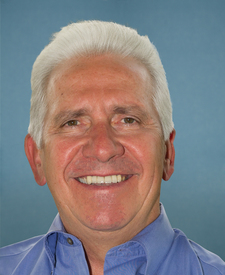
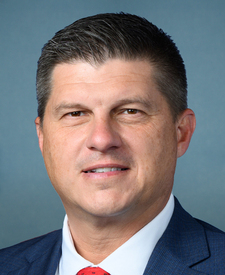

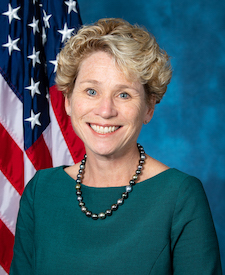
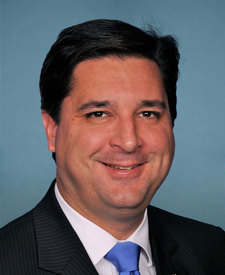
Legislative Progress
In CommitteeReferred to the Subcommittee on Livestock, Dairy, and Poultry.
Mr. Costa (for himself, Mr. Alford, Mr. Riley of New …
Referred to the House Committee on Agriculture.
Introduced in House
Stakeholder Effects
cui bono?How this legislation distributes effects. Mention counts reflect frequency, not effect magnitude.
Bill Structure & Actor Mappings
Who is "The Secretary" in each section?
We use a combination of our own taxonomy and classification in addition to large language models to assess meaning and potential beneficiaries. High confidence means strong textual evidence. Always verify with the original bill text.
Learn more about our methodology