Veterans National Traumatic Brain Injury Treatment Act
Summary
What This Bill Does
The Veterans National Traumatic Brain Injury Treatment Act creates a VA pilot program for hyperbaric oxygen therapy, or HBOT, for veterans with traumatic brain injury or post-traumatic stress disorder. The VA Secretary must furnish HBOT through eligible community care providers under title 38. Earlier text selects three Veterans Integrated Service Networks for the pilot; later text selects two VISNs and requires any facility providing HBOT under the pilot to be accredited by the Joint Commission, the Undersea and Hyperbaric Medical Society, or another comparable expert organization. The bill creates a VA HBOT Fund in the Treasury whose sole source is donations received by the Secretary expressly for the Fund. Amounts remain available without fiscal year limitation to pay for HBOT until the Fund terminates. The pilot terminates after 5 years in earlier text and after 3 years in later text. HBOT must use a medical device approved by FDA or issued an FDA investigational device exemption. Later text also directs GAO, within 1 year, to update its 2016 report on HBOT for traumatic brain injury and PTSD, assessing clinical trials conducted by VA, Defense, and private entities, and extends certain VA pension-payment limits to October 30, 2034.
Who Benefits and How
Veterans with traumatic brain injury benefit from access to HBOT through a VA pilot program. Veterans with post-traumatic stress disorder benefit from the same pilot eligibility. Accredited HBOT providers benefit from potential VA-funded treatment referrals through community care. Donors interested in HBOT access benefit from a dedicated VA HBOT Fund for express donations. VA policymakers benefit from pilot evidence and a GAO update on clinical trials. Congress benefits from the GAO report assessing VA, Defense, and private HBOT research after GAO-16-154.
Who Bears the Burden and How
The VA Secretary must select VISNs, administer the pilot, manage the VA HBOT Fund, ensure treatment through eligible providers, and apply FDA-device and accreditation requirements. VA community care administrators must coordinate referrals and payments. GAO must update its HBOT report within 1 year and assess clinical trials by VA, Defense, and private entities. HBOT facilities must meet accreditation requirements in later text. VA pension recipients subject to section 5503 limits may be affected by the extension of certain payment limits. The pilot depends on donations, so VA cannot rely on general appropriations for the HBOT Fund unless another law changes the funding source.
Key Provisions
- Requires a VA pilot program furnishing HBOT to veterans with traumatic brain injury or PTSD.
- Uses eligible community care providers under title 38.
- Selects two or three Veterans Integrated Service Networks depending on bill version.
- Creates a donation-only VA HBOT Fund available without fiscal year limitation.
- Requires FDA-approved or investigational-device-exemption HBOT medical devices.
- Requires accredited HBOT facilities in later text.
- Directs GAO to update its HBOT research report within 1 year.
- Extends certain VA pension-payment limits.
Evidence Chain:
This summary is generated from the full bill text using AI analysis. Expand "Detailed Analysis" below for identified beneficiaries/burden bearers with clause-level evidence links.
At a Glance
What This Bill Does
Creates a VA pilot program to furnish hyperbaric oxygen therapy to veterans with traumatic brain injury or post-traumatic stress disorder through eligible community care providers, selects two or three Veterans Integrated Service Networks depending on bill version, funds treatment through a donation-only VA HBOT Fund, requires accredited facilities in later text, directs GAO to update its HBOT research report within 1 year, and extends certain VA pension-payment limits.
Key Policy Areas
Veterans, Health Care, Medical Research
Primary Purpose
Creates a VA pilot program to furnish hyperbaric oxygen therapy to veterans with traumatic brain injury or post-traumatic stress disorder through eligible community care providers, selects two or three Veterans Integrated Service Networks depending on bill version, funds treatment through a donation-only VA HBOT Fund, requires accredited facilities in later text, directs GAO to update its HBOT research report within 1 year, and extends certain VA pension-payment limits.
Policy Domains
House resolution provisions
Identified Gains
- Veterans with traumatic brain injury
- Veterans with post-traumatic stress disorder
- Accredited HBOT providers
- HBOT donors
- VA policymakers
- Congress
Identified Costs
- Secretary of Veterans Affairs
- VA community care administrators
- Government Accountability Office
- HBOT facilities
- VA pension recipients
- Department of Veterans Affairs
Sponsors



Legislative Progress
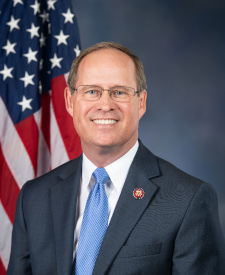
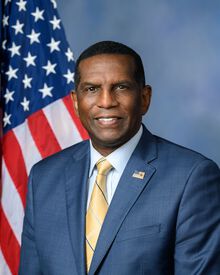
ReportedAdditional sponsors: Mr. Harder of California, Ms. King-Hinds, Mr. McDowell, …
Reported with an amendment, committed to the Committee of the …
Placed on the Union Calendar, Calendar No. 296.
Reported (Amended) by the Committee on Veterans' Affairs. H. Rept. …
Committee Consideration and Mark-up Session Held
Subcommittee Consideration and Mark-up Session Held
Forwarded by Subcommittee to Full Committee by Voice Vote.
Referred to the Subcommittee on Health.
Introduced in House
Referred to the House Committee on Veterans' Affairs.
Stakeholder Effects
cui bono?How this legislation distributes effects. Mention counts reflect frequency, not effect magnitude.
Department of Veterans Affairs, Veterans with post-traumatic stress disorder, Veterans with traumatic brain injury
Positive-direction: Veterans with post-traumatic stress disorder, Veterans with traumatic brain injury
Negative-direction: Department of Veterans Affairs
Bill Structure & Actor Mappings
Who is "The Secretary" in each section?
- "va"
- → Department of Veterans Affairs
- "fda"
- → Food and Drug Administration
- "gao"
- → Government Accountability Office
We use a combination of our own taxonomy and classification in addition to large language models to assess meaning and potential beneficiaries. High confidence means strong textual evidence. Always verify with the original bill text.
Learn more about our methodology