Office of Gun Violence Prevention Act of 2025
Summary
What This Bill Does
The Office of Gun Violence Prevention Act of 2025 establishes an Office of Gun Violence Prevention within DOJ's Office of Legal Policy. The Attorney General appoints a Director, who coordinates DOJ responsibilities, programs, and services related to gun violence prevention across the Criminal and Civil Divisions, COPS Office, U.S. Attorneys, ATF, Office on Violence Against Women, Office of Victims of Crime, Office of Justice Programs, and NICS. The Director evaluates laws, regulations, programs, grants, data sources, and offices; recommends legislative and executive policy options; identifies data gaps; develops a data collection and analysis plan; creates a DOJ research agenda; runs public education campaigns on secure firearm storage and suicide prevention; assists communities after mass shootings, school shootings, gang-related shootings, domestic violence shootings, and other gun violence; coordinates with many federal agencies and commissions; files annual reports; and chairs a quarterly advisory council that includes DOJ leaders, ATF, FBI, BJA, victims, intervention providers, public health officials, trauma clinicians, teachers, students, and veterans.
Who Benefits and How
Gun violence survivors benefit from a DOJ office tasked with victim services coordination, crisis response, and prevention strategy. Community violence intervention providers benefit from advisory council representation and federal coordination. DOJ gun violence prevention programs benefit from a Director responsible for integrating grants, data, research, and policy recommendations. Public health officials benefit from a formal federal partner for firearm injury data, research, and prevention campaigns.
Who Bears the Burden and How
The Department of Justice must establish and staff the Office, appoint a Director, convene the advisory council, and file annual reports. ATF, FBI, BJA, COPS, OVW, OVC, OJP, U.S. Attorneys, and DOJ divisions must coordinate through the office. Firearm owners may be targeted by federal education campaigns on secure storage and suicide prevention. Federal taxpayers bear the cost of the Office, advisory council, research agenda, education campaigns, and crisis response support.
Key Provisions
- Establishes the Office of Gun Violence Prevention within DOJ's Office of Legal Policy.
- Requires the Director to coordinate DOJ gun violence prevention programs, grants, data, and services.
- Requires data-gap analysis, a research agenda, public education campaigns, and crisis response assistance.
- Creates a quarterly advisory council and requires annual reports to Congress.
Evidence Chain:
This summary is generated from the full bill text using AI analysis. Expand "Detailed Analysis" below for identified beneficiaries/burden bearers with clause-level evidence links.
At a Glance
What This Bill Does
Creates a Department of Justice Office of Gun Violence Prevention, Director, advisory council, coordination duties, data and research agenda, public education campaigns, crisis response support, and annual reports.
Key Policy Areas
Public Safety, Gun Violence, Justice Department
Primary Purpose
Creates a Department of Justice Office of Gun Violence Prevention, Director, advisory council, coordination duties, data and research agenda, public education campaigns, crisis response support, and annual reports.
Policy Domains
Resolution provisions
Identified Gains
- Gun violence survivors
- Community violence intervention providers
- DOJ prevention programs
- Public health officials
Identified Costs
- Department of Justice
- ATF and FBI
- Firearm owners
- Federal taxpayers
Sponsors
Legislative Progress
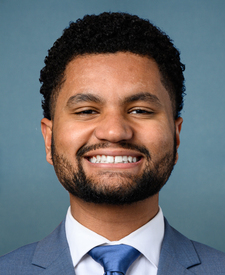
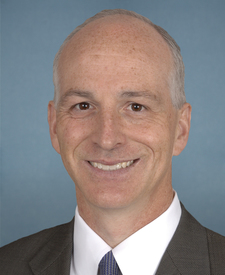
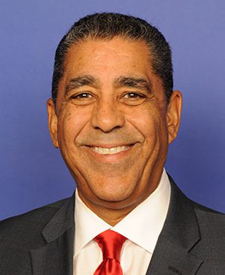
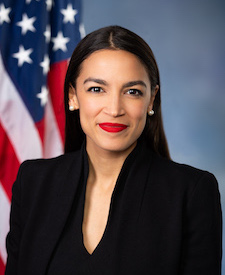
In CommitteeMr. Frost (for himself, Mr. Smith of Washington, Mr. Espaillat, …
Referred to the House Committee on the Judiciary.
Introduced in House
Stakeholder Effects
cui bono?How this legislation distributes effects. Mention counts reflect frequency, not effect magnitude.
Community violence intervention providers, Gun violence survivors
Bill Structure & Actor Mappings
Who is "The Secretary" in each section?
We use a combination of our own taxonomy and classification in addition to large language models to assess meaning and potential beneficiaries. High confidence means strong textual evidence. Always verify with the original bill text.
Learn more about our methodology