BEST Facilitation Act
Summary
What This Bill Does
The BEST Facilitation Act creates Image Technician 1 positions in U.S. Customs and Border Protection's Office of Field Operations. These competitive-service positions may be filled by existing CBP employees, are not law enforcement officer positions, may not be filled by independent contractors, and must be assigned to regional command centers. Their duties include reviewing non-intrusive inspection images of conveyances and containers entering or exiting the United States through land, sea, air, and international rail crossings and assessing anomalies that may indicate contraband, people unlawfully entering or exiting, or illicit activity. CBP must report 180 days after the first hires and every 180 days thereafter on positions filled, current staffing by port, field office, position, and command center, daily average images reviewed, training methods, assessment passage rates, and effects on interdiction rates.
Who Benefits and How
CBP Office of Field Operations benefits from dedicated image technicians supporting non-intrusive inspection at ports and crossings. Ports of entry benefit if trained technicians improve anomaly detection without requiring sworn law enforcement positions for every image review. Existing CBP employees benefit because they can fill Image Technician 1 roles through competitive-service appointments. Congressional homeland security committees benefit from semiannual data on staffing, training, image volume, and interdiction effects.
Who Bears the Burden and How
CBP must create, classify, hire, train, assign, and supervise Image Technician positions in regional command centers. Independent contractors are barred from filling these image technician positions. The CBP Commissioner and Office of Field Operations must produce recurring reports every 180 days. Travelers and shippers may experience more scrutiny if image review increases anomaly detection at ports.
Key Provisions
- Creates Image Technician 1 positions in CBP's Office of Field Operations.
- Requires technicians to review non-intrusive inspection images for contraband, unlawful entry, and illicit activity indicators.
- Bars independent contractors from filling the positions and assigns technicians to regional command centers.
- Requires semiannual reports on staffing, training, image volume, and interdiction-rate effects.
Evidence Chain:
This summary is generated from the full bill text using AI analysis. Expand "Detailed Analysis" below for identified beneficiaries/burden bearers with clause-level evidence links.
At a Glance
What This Bill Does
Creates CBP Office of Field Operations Image Technician positions to review non-intrusive inspection images at ports and requires semiannual reporting on staffing, training, image volume, and interdiction effects.
Key Policy Areas
Homeland Security, Customs, Border Security
Primary Purpose
Creates CBP Office of Field Operations Image Technician positions to review non-intrusive inspection images at ports and requires semiannual reporting on staffing, training, image volume, and interdiction effects.
Policy Domains
Resolution provisions
Identified Gains
- CBP Office of Field Operations
- Ports of entry
- Existing CBP employees
- Congressional homeland security committees
Identified Costs
- CBP
- Independent contractors
- CBP Commissioner
- Travelers and shippers
Sponsors


Legislative Progress
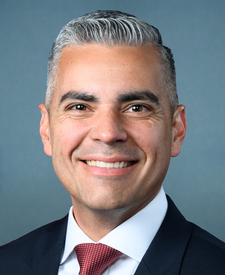
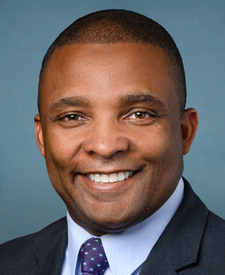
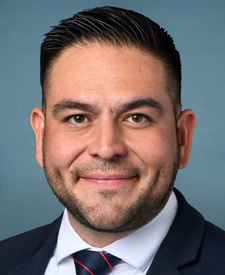
In CommitteeMr. Ciscomani (for himself and Mr. Davis of North Carolina) …
Referred to the Subcommittee on Border Security and Enforcement.
Referred to the House Committee on Homeland Security.
Introduced in House
Stakeholder Effects
cui bono?How this legislation distributes effects. Mention counts reflect frequency, not effect magnitude.
CBP Commissioner, CBP Office of Field Operations
Bill Structure & Actor Mappings
Who is "The Secretary" in each section?
We use a combination of our own taxonomy and classification in addition to large language models to assess meaning and potential beneficiaries. High confidence means strong textual evidence. Always verify with the original bill text.
Learn more about our methodology