PROTECT Our Children Reauthorization Act of 2025
Summary
What This Bill Does
The PROTECT Our Children Reauthorization Act of 2025 revises the national strategy for combating child exploitation. It changes the reporting cycle from every second year to every fourth year and replaces strategy content requirements with a broader framework. The national strategy must analyze current trends, challenges, and the magnitude of child exploitation; examine future trends including new technologies; set goals and strategic solutions for prevention and interdiction; address interagency coordination, judicial engagement, legislative recommendations, cooperation with international, state, local, and Tribal law enforcement, and private-sector engagement; and analyze federal efforts, including Department of Justice policies and other federal programs. The bill is aimed at making the national strategy less frequent but more comprehensive and forward-looking.
Who Benefits and How
Child exploitation investigators benefit from a national strategy that must address current threats, future technologies, and coordination needs. The Department of Justice benefits from clearer statutory content requirements for federal anti-exploitation planning. State, local, and Tribal law enforcement agencies benefit from required cooperation language in the national strategy. Child protection organizations benefit if legislative recommendations and private-sector engagement improve prevention tools.
Who Bears the Burden and How
Justice Department child exploitation offices must prepare a broader strategy covering trends, goals, coordination, and federal programs. Federal agencies involved in child protection must supply information on policies, programs, and implementation efforts. Technology companies may face greater engagement pressure around future child-exploitation threats. Congress receives the strategy less often because the cycle changes from every two years to every four years.
Key Provisions
- Changes the child exploitation national strategy cycle from every second year to every fourth year.
- Requires analysis of current threats, future trends, and new technologies.
- Requires goals for prevention, interdiction, interagency coordination, judicial engagement, and legislative recommendations.
- Requires cooperation with international, state, local, Tribal, private-sector, and federal program partners.
Evidence Chain:
This summary is generated from the full bill text using AI analysis. Expand "Detailed Analysis" below for identified beneficiaries/burden bearers with clause-level evidence links.
At a Glance
What This Bill Does
Reauthorizes and updates the PROTECT Our Children Act national strategy against child exploitation by changing the strategy cycle and expanding required analysis, goals, coordination, technology, and implementation content.
Key Policy Areas
Child Protection, Law Enforcement, Technology
Primary Purpose
Reauthorizes and updates the PROTECT Our Children Act national strategy against child exploitation by changing the strategy cycle and expanding required analysis, goals, coordination, technology, and implementation content.
Policy Domains
Resolution provisions
Identified Gains
- Child exploitation investigators
- Department of Justice
- Tribal law enforcement agencies
- Child protection organizations
Identified Costs
- Justice Department offices
- Federal child protection agencies
- Technology companies
- Congress
Sponsors
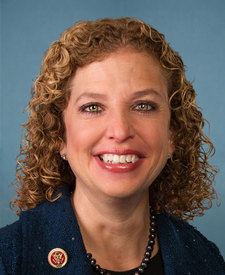
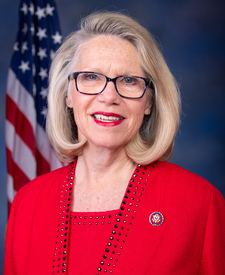



Legislative Progress
In CommitteeMs. Wasserman Schultz (for herself, Mr. Van Drew, Mr. Moskowitz, …
Referred to the House Committee on the Judiciary.
Introduced in House
Stakeholder Effects
cui bono?How this legislation distributes effects. Mention counts reflect frequency, not effect magnitude.
Justice Department offices, Tribal law enforcement agencies
Bill Structure & Actor Mappings
Who is "The Secretary" in each section?
We use a combination of our own taxonomy and classification in addition to large language models to assess meaning and potential beneficiaries. High confidence means strong textual evidence. Always verify with the original bill text.
Learn more about our methodology