To extend the customs waters of the United States from 12 nautical miles to 24 nautical miles from the baselines of the United States, consistent with Presidential Proclamation 7219.
Analysis under review: This bill has generated analysis that may be too generic or incomplete. Clause-level evidence remains available below.
Summary
What This Bill Does
This bill doubles the enforcement zone for U.S. customs laws from 12 nautical miles to 24 nautical miles off the coast. It updates two federal laws—the Tariff Act of 1930 and the Anti-Smuggling Act—to allow customs officials to inspect vessels and enforce trade regulations throughout the full "contiguous zone" recognized by international law, instead of just the narrower "territorial sea."
Who Benefits and How
U.S. Customs and Border Protection and the Coast Guard benefit by gaining enforcement authority over a much larger area. They can now stop, search, and penalize ships suspected of smuggling or customs violations up to 24 miles offshore instead of 12 miles, allowing them to intercept illegal activity earlier and collect more fines and seizures. Domestic manufacturers also gain some benefit—stronger anti-smuggling enforcement means less competition from illegally imported goods that evade tariffs.
Who Bears the Burden and How
International shipping companies face increased compliance burdens, as they must now follow U.S. customs regulations for an extra 12 nautical miles when traveling near American waters. This doubles their exposure to inspections, delays, and potential penalties for paperwork errors or violations. Foreign fishing vessels operating near U.S. waters face similar restrictions and greater risk of being stopped. Cruise lines and passenger vessels may need to adjust routes or procedures to maintain compliance in the expanded zone.
Key Provisions
- Extends "customs waters" from 12 to 24 nautical miles by including both the territorial sea and the contiguous zone
- Amends Section 401(j) of the Tariff Act of 1930 to expand customs jurisdiction
- Amends Section 401(c) of the Anti-Smuggling Act to expand anti-smuggling enforcement authority
- Takes effect the day after the bill is signed into law
- Aligns U.S. customs enforcement with the maximum zone permitted under international law (Presidential Proclamation 7219)
Evidence Chain:
This summary is generated from the full bill text using AI analysis. Expand "Detailed Analysis" below for identified beneficiaries/burden bearers.
At a Glance
What This Bill Does
Extends U.S. customs waters from 12 nautical miles to 24 nautical miles from the baselines of the United States, consistent with Presidential Proclamation 7219.
Who Benefits
- U.S. Customs and Border Protection (expanded enforcement authority)
- U.S. Coast Guard (expanded patrol jurisdiction)
- U.S. manufacturers and retailers (enhanced anti-smuggling protection)
Who Bears Costs
- International shipping companies (extended compliance zone)
- Foreign vessels transiting near U.S. waters (increased inspection risk)
- Smugglers and illicit traffickers (reduced operating zone)
Key Policy Areas
Trade, Customs, Maritime Law, Law Enforcement
Primary Purpose
Extends U.S. customs waters from 12 nautical miles to 24 nautical miles from the baselines of the United States, consistent with Presidential Proclamation 7219.
Policy Domains
Legislative Strategy
"Expand U.S. customs enforcement jurisdiction to the full extent allowed under international law (UN Convention on the Law of the Sea)"
Identified Gains
- U.S. Customs and Border Protection (expanded enforcement authority)
- U.S. Coast Guard (expanded patrol jurisdiction)
- U.S. manufacturers and retailers (enhanced anti-smuggling protection)
- Domestic industries competing with smuggled goods
Identified Costs
- International shipping companies (extended compliance zone)
- Foreign vessels transiting near U.S. waters (increased inspection risk)
- Smugglers and illicit traffickers (reduced operating zone)
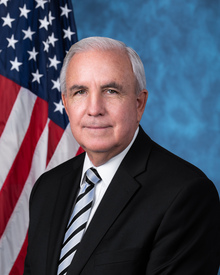
Sponsors
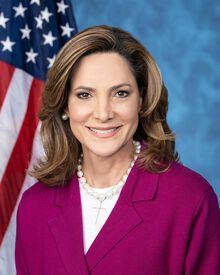
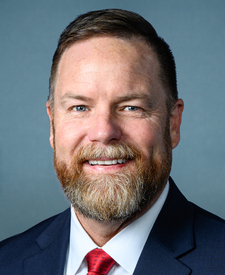
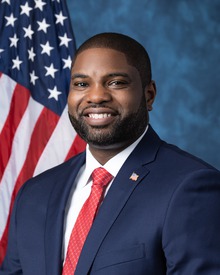
Legislative Progress
IntroducedMs. Salazar (for herself, Mr. Gimenez, Mr. Panetta, Mr. Levin, …
Stakeholder Effects
cui bono?How this legislation distributes effects. Mention counts reflect frequency, not effect magnitude.
Coast Guard, Customs and Border Protection
Cruise lines and passenger vessels, International shipping companies operating near U.S. waters
Smugglers and illicit traffickers (drugs, weapons, contraband)
U.S. domestic manufacturers competing with smuggled goods
Bill Structure & Actor Mappings
Who is "The Secretary" in each section?
- "coast_guard"
- → U.S. Coast Guard (enforcement authority)
- "customs_officials"
- → U.S. Customs and Border Protection officials
Key Definitions
Terms defined in this bill
Reference points determined in accordance with international law from which maritime zones are measured
We use a combination of our own taxonomy and classification in addition to large language models to assess meaning and potential beneficiaries. High confidence means strong textual evidence. Always verify with the original bill text.
Learn more about our methodology