To amend title XVIII of the Social Security Act to waive certain distance requirements for certain hospitals electing to be designated as critical access hospitals.
Analysis under review: This bill has generated analysis that may be too generic or incomplete. Clause-level evidence remains available below.
Summary
What This Bill Does
The Supporting Access to Rural Community Hospitals Act creates a temporary one-year opportunity for rural community hospitals participating in a federal demonstration program to become Critical Access Hospitals (CAHs) without meeting the usual requirement that they be located at least 35 miles from the nearest hospital. This window opens six months after the bill is enacted. The legislation also removes an existing prohibition that prevented these demonstration program hospitals from becoming CAHs.
Who Benefits and How
Rural community hospitals currently in the Medicare demonstration program benefit by gaining access to CAH designation, which provides cost-based reimbursement from Medicare rather than the prospective payment system. This typically results in higher Medicare payments and improved financial stability. Rural residents benefit from increased likelihood that their local hospital will remain financially viable and continue providing emergency and inpatient services.
Who Bears the Burden and How
The Medicare program and federal taxpayers bear increased costs because CAH designation allows hospitals to be reimbursed for their actual costs plus a 1% margin, rather than fixed payment rates. This cost-based reimbursement typically results in higher payments per patient compared to the standard Medicare payment system. The Congressional Budget Office would likely score this as increasing federal healthcare spending.
Key Provisions
- Amends Section 1820 of the Social Security Act to create a special exemption from distance requirements for rural community hospitals in the demonstration program
- Establishes a limited enrollment window: hospitals have one year to apply, starting six months after the law takes effect
- Only applies to hospitals that were already participating in the rural community hospital demonstration program as of the enactment date
- Removes the existing statutory language that prohibited demonstration program hospitals from becoming CAHs
- Does not change any other CAH eligibility requirements (such as maintaining 25 or fewer acute care beds and providing 24/7 emergency care)
Evidence Chain:
This summary is generated from the full bill text using AI analysis. Expand "Detailed Analysis" below for identified beneficiaries/burden bearers.
At a Glance
What This Bill Does
Temporarily waives distance requirements to allow certain rural community hospitals participating in a demonstration program to be designated as critical access hospitals
Who Benefits
- Rural community hospitals currently in the demonstration program
- Rural communities with limited hospital access
- Hospital administrators seeking critical access hospital designation
Who Bears Costs
- Medicare program (potential increase in reimbursement costs as CAH status provides cost-based reimbursement)
- Taxpayers (through increased Medicare spending)
Key Policy Areas
Healthcare, Rural Development, Medicare
Primary Purpose
Temporarily waives distance requirements to allow certain rural community hospitals participating in a demonstration program to be designated as critical access hospitals
Policy Domains
Legislative Strategy
"Create a limited-time pathway for rural community hospitals in a demonstration program to transition to critical access hospital status without meeting standard distance requirements"
Identified Gains
- Rural community hospitals currently in the demonstration program
- Rural communities with limited hospital access
- Hospital administrators seeking critical access hospital designation
Identified Costs
- Medicare program (potential increase in reimbursement costs as CAH status provides cost-based reimbursement)
- Taxpayers (through increased Medicare spending)
Sponsors
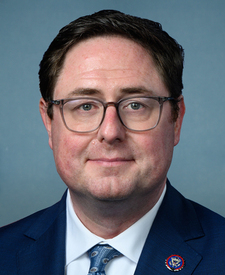
Mike Flood
R-NE | Primary Sponsor
Legislative Progress
IntroducedMr. Flood (for himself and Mr. Smith of Nebraska) introduced …
Stakeholder Effects
cui bono?How this legislation distributes effects. Mention counts reflect frequency, not effect magnitude.
Rural community hospitals in demonstration program seeking CAH designation
Bill Structure & Actor Mappings
Who is "The Secretary" in each section?
- "the_secretary"
- → Secretary of Health and Human Services (implied through Medicare administration)
Key Definitions
Terms defined in this bill
1-year period beginning 6 months after the date of enactment of this bill
We use a combination of our own taxonomy and classification in addition to large language models to assess meaning and potential beneficiaries. High confidence means strong textual evidence. Always verify with the original bill text.
Learn more about our methodology