Ensuring Distance Education Act
Summary
What This Bill Does
The Ensuring Distance Education Act amends the Higher Education Act's 90/10 rule for proprietary institutions. It clarifies that federal student aid revenue can include funds paid for a program offered in whole or in part through distance education, regardless of the location from which the program is carried out. The practical effect is to protect online and hybrid programs from being treated differently for 90/10 revenue calculations based on delivery location, which matters for proprietary schools that must show that at least 10 percent of revenue comes from non-title IV sources.
Who Benefits and How
Proprietary colleges with online programs benefit because distance education title IV funds remain countable in the 90/10 calculation. Online program operators benefit from clearer revenue treatment across remote and hybrid delivery models. Students in distance education programs benefit if schools keep programs available instead of restructuring because of 90/10 uncertainty. Financial aid administrators benefit from a clearer statutory rule for distance education revenue accounting.
Who Bears the Burden and How
Education Department program-integrity staff must update guidance and oversight for distance education revenue under 90/10. Consumer protection advocates may bear the burden if the change makes it easier for proprietary schools to satisfy revenue rules. Auditors must verify whether covered online and hybrid program revenue is counted properly. Competing nonprofit and public institutions may face continued online competition from proprietary programs.
Key Provisions
- Amends the Higher Education Act 90/10 revenue rule for proprietary institutions.
- Includes title IV funds paid for programs offered partly or wholly through distance education.
- Applies regardless of the location from which the distance education program is carried out.
- Protects online and hybrid program revenue from location-based exclusion in 90/10 calculations.
Evidence Chain:
This summary is generated from the full bill text using AI analysis. Expand "Detailed Analysis" below for identified beneficiaries/burden bearers with clause-level evidence links.
At a Glance
What This Bill Does
Allows distance education revenue to count as federal student aid revenue under the proprietary-college 90/10 rule regardless of where the online program is carried out.
Key Policy Areas
Education, Higher Education, Student Aid
Primary Purpose
Allows distance education revenue to count as federal student aid revenue under the proprietary-college 90/10 rule regardless of where the online program is carried out.
Policy Domains
Resolution provisions
Identified Gains
- Proprietary colleges with online programs
- Online program operators
- Distance education students
- Financial aid administrators
Identified Costs
- Education Department program-integrity staff
- Consumer protection advocates
- Auditors
- Competing public institutions
Sponsors
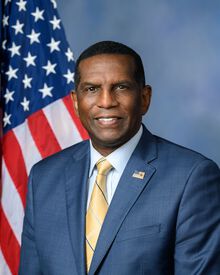
Legislative Progress
In CommitteeMr. Owens introduced the following bill; which was referred to …
Referred to the House Committee on Education and Workforce.
Introduced in House
Stakeholder Effects
cui bono?How this legislation distributes effects. Mention counts reflect frequency, not effect magnitude.
Bill Structure & Actor Mappings
Who is "The Secretary" in each section?
We use a combination of our own taxonomy and classification in addition to large language models to assess meaning and potential beneficiaries. High confidence means strong textual evidence. Always verify with the original bill text.
Learn more about our methodology