SAFE Act
Summary
What This Bill Does
The SAFE Act adds falls prevention to Medicare preventive care for older adults. If a physician determines that a Medicare beneficiary fell in the previous calendar year, the annual wellness visit must include a falls risk assessment and fall prevention services. Physical therapists and occupational therapists can furnish separate falls risk assessment and prevention services for those beneficiaries, and the same concept is added to the initial preventive physical exam. Beginning January 1, 2027, HHS must report annually to Congress on CDC-reported falls among people age 65 and older who received treatment for fall-related pain or injury, including year-to-year changes.
Who Benefits and How
Medicare beneficiaries with recent falls benefit from covered assessment and prevention services during preventive visits. Physical therapists benefit because they are named as eligible professionals for separate falls risk assessment and prevention services. Occupational therapists benefit from a defined Medicare role in fall-prevention services for at-risk seniors. Families and caregivers benefit if better fall prevention reduces injuries, hospital visits, and loss of independence.
Who Bears the Burden and How
HHS and CMS must update Medicare preventive-service rules, billing guidance, and claims systems. Physicians must identify beneficiaries with prior-year falls and incorporate prevention services into wellness visits. Medicare Advantage and provider compliance teams must account for the expanded preventive benefit. HHS must produce annual congressional reports using CDC fall-injury data for older adults.
Key Provisions
- Adds falls risk assessment and fall prevention services to Medicare annual wellness visits for beneficiaries with a prior-year fall.
- Authorizes physical therapists and occupational therapists to furnish separate covered falls services.
- Extends the prevention concept to the initial preventive physical exam.
- Requires annual HHS reports to Congress on fall-related treatment among people age 65 and older.
Evidence Chain:
This summary is generated from the full bill text using AI analysis. Expand "Detailed Analysis" below for identified beneficiaries/burden bearers with clause-level evidence links.
At a Glance
What This Bill Does
Adds Medicare falls risk assessment and fall prevention services to annual wellness visits and initial preventive physical exams for seniors with a prior-year fall.
Key Policy Areas
Health Care, Medicare, Aging
Primary Purpose
Adds Medicare falls risk assessment and fall prevention services to annual wellness visits and initial preventive physical exams for seniors with a prior-year fall.
Policy Domains
Resolution provisions
Identified Gains
- Medicare beneficiaries with recent falls
- Physical therapists
- Occupational therapists
- Families and caregivers
Identified Costs
- HHS and CMS
- Physicians
- Provider compliance teams
- Medicare Advantage plans
Sponsors
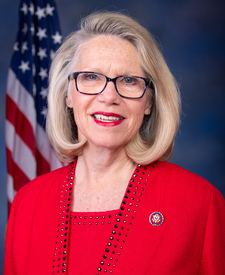
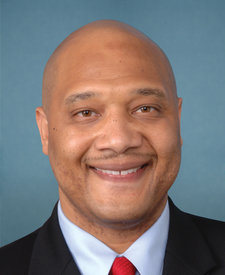


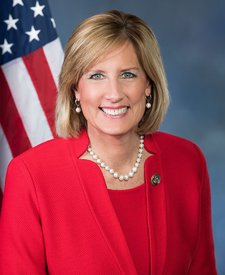
Legislative Progress
In CommitteeMrs. Miller of West Virginia (for herself and Ms. Stansbury) …
Referred to the Committee on Energy and Commerce, and in …
Introduced in House
Stakeholder Effects
cui bono?How this legislation distributes effects. Mention counts reflect frequency, not effect magnitude.
Medicare beneficiaries with recent falls, Physical therapists, Physicians
Positive-direction: Medicare beneficiaries with recent falls, Physical therapists
Negative-direction: Physicians
Bill Structure & Actor Mappings
Who is "The Secretary" in each section?
We use a combination of our own taxonomy and classification in addition to large language models to assess meaning and potential beneficiaries. High confidence means strong textual evidence. Always verify with the original bill text.
Learn more about our methodology