To provide that the special Government employee managing the Department of Government Efficiency shall be liable for any claims against the Federal Government related to Department activities, and for other purposes.
Analysis under review: This bill has generated analysis that may be too generic or incomplete. Clause-level evidence remains available below.
Summary
What This Bill Does
The bill creates personal liability for the special government employee managing the Department of Government Efficiency for any claims against the Federal Government arising from the Department's activities, including. It relies on liability protections and definition changes. The main policy areas are Labor and Finance.
Who Benefits and How
Federal employees whose data privacy might be violated by DOGE could face reduced risk, Plaintiffs' attorneys handling federal employment claims could gain revenue opportunities, and Federal workers protected by labor laws could face lower compliance burdens.
Who Bears the Burden and How
Special government employees managing Department of Government Efficiency could face increased risk and Private sector executives considering temporary government service could face higher barriers.
Key Provisions
- Creates personal liability for the special government employee managing the Department of Government Efficiency for any claims against the Federal Government arising from the Department's activities, including...
Evidence Chain:
This summary is generated from the full bill text using AI analysis. Expand "Detailed Analysis" below for identified beneficiaries/burden bearers with clause-level evidence links.
At a Glance
What This Bill Does
The bill creates personal liability for the special government employee managing the Department of Government Efficiency for any claims against the Federal Government arising from the Department's activities, including.
Key Policy Areas
Labor, Finance
Primary Purpose
The bill creates personal liability for the special government employee managing the Department of Government Efficiency for any claims against the Federal Government arising from the Department's activities, including.
Policy Domains
Section 2 - Payment of claims against Federal Government related to Department of Government Efficiency activities
Identified Gains
- Federal employees whose data privacy might be violated by DOGE
- Plaintiffs' attorneys handling federal employment claims
- Federal workers protected by labor laws
Identified Costs
- Special government employees managing Department of Government Efficiency
- Private sector executives considering temporary government service
Sponsors

Legislative Progress
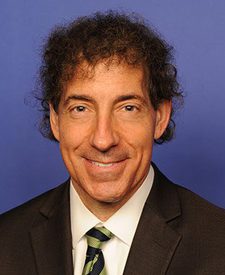
IntroducedMs. Stansbury (for herself and Mr. Raskin) introduced the following …
Stakeholder Effects
cui bono?How this legislation distributes effects. Mention counts reflect frequency, not effect magnitude.
Federal employees whose data privacy might be violated by DOGE, Federal workers protected by labor laws
Special government employees managing Department of Government Efficiency
Private sector executives considering temporary government service
Plaintiffs' attorneys handling federal employment claims
Bill Structure & Actor Mappings
Who is "The Secretary" in each section?
- "the_special_government_employee"
- → Special government employee managing or otherwise in charge of the Department of Government Efficiency (or any successor thereof) within the Executive Office of the President
Key Definitions
Terms defined in this bill
As defined in section 202(a) of title 18, United States Code - typically refers to temporary or intermittent government employees serving not more than 130 days during any period of 365 consecutive days
A department or entity (or any successor thereof) within the Executive Office of the President that is managed by a special government employee
We use a combination of our own taxonomy and classification in addition to large language models to assess meaning and potential beneficiaries. High confidence means strong textual evidence. Always verify with the original bill text.
Learn more about our methodology