Taxpayer Data Protection Act
Summary
What This Bill Does
The Taxpayer Data Protection Act adds access controls for Department of the Treasury public money receipt and payment systems, including Bureau of the Fiscal Service systems and data. The Secretary may not allow an individual to use, control, or access those systems unless the person is a Treasury officer, employee, or contractor otherwise eligible for access, has a fully successful or equivalent performance rating, and has served in the relevant civil-service position or contract for at least one year; or meets the bill's alternative clearance and designation pathway. The point is to limit payment-system and taxpayer-data access to vetted personnel with institutional accountability.
Who Benefits and How
Taxpayers benefit from tighter limits on who can access Treasury payment systems and sensitive payment data. Treasury cybersecurity officials benefit from a statutory access-control standard for public money systems. Bureau of the Fiscal Service data stewards benefit from clearer authority to deny access to unqualified users. Privacy advocates benefit from restrictions aimed at preventing improper access to taxpayer and payment information.
Who Bears the Burden and How
Treasury managers must verify eligibility, performance ratings, tenure, clearances, and designations before granting access. New Treasury employees and contractors may be barred from payment-system access until they satisfy the bill's conditions. Bureau of the Fiscal Service administrators must update access-control procedures and audits. Emergency technology teams may face slower onboarding if access is limited by tenure or clearance rules.
Key Provisions
- Prohibits access to Treasury receipt or payment systems unless statutory eligibility conditions are met.
- Covers Bureau of the Fiscal Service payment systems and data.
- Requires qualifying Treasury personnel to have eligible duties, successful performance ratings, and one year of service or contract work.
- Allows alternative access only through appropriate security clearance and designation conditions.
Evidence Chain:
This summary is generated from the full bill text using AI analysis. Expand "Detailed Analysis" below for identified beneficiaries/burden bearers with clause-level evidence links.
At a Glance
What This Bill Does
Restricts access to Treasury public money receipt and payment systems, including Bureau of the Fiscal Service systems and data, to qualified Treasury personnel or specially cleared and designated individuals.
Key Policy Areas
Treasury, Cybersecurity, Privacy
Primary Purpose
Restricts access to Treasury public money receipt and payment systems, including Bureau of the Fiscal Service systems and data, to qualified Treasury personnel or specially cleared and designated individuals.
Policy Domains
Resolution provisions
Identified Gains
- Taxpayers
- Treasury cybersecurity officials
- Bureau of Fiscal Service data stewards
- Privacy advocates
Identified Costs
- Treasury managers
- New Treasury contractors
- Bureau of Fiscal Service administrators
- Emergency technology teams
Sponsors


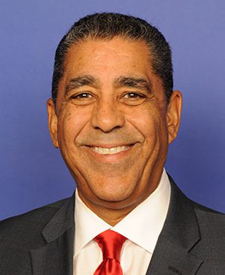

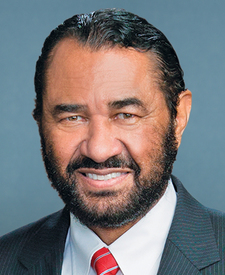
Legislative Progress
In CommitteeSponsor introductory remarks on measure. (CR H625-626)
Ms. Stevens (for herself, Mr. Casten, Mr. Whitesides, Ms. Velázquez, …
Referred to the Committee on Financial Services, and in addition …
Introduced in House
Sponsor introductory remarks on measure. (CR H536)
Stakeholder Effects
cui bono?How this legislation distributes effects. Mention counts reflect frequency, not effect magnitude.
Treasury cybersecurity officials, Treasury managers
Bill Structure & Actor Mappings
Who is "The Secretary" in each section?
We use a combination of our own taxonomy and classification in addition to large language models to assess meaning and potential beneficiaries. High confidence means strong textual evidence. Always verify with the original bill text.
Learn more about our methodology