To prohibit the continuing availability of any portion of a Federal payment to the District of Columbia for a program of District of Columbia resident tuition support for a fiscal year which remains unobligated as of the end of the fiscal year, and for other purposes.
Analysis under review: This bill has generated analysis that may be too generic or incomplete. Clause-level evidence remains available below.
Summary
What This Bill Does
This bill, To prohibit the continuing availability of any portion of a Federal payment to the District of Columbia for a program of District of Columbia resident tuition support for a fiscal year which remains unobligated as of the end of the fiscal year, and for other purposes., changes federal law or congressional policy affecting schools, students, and education providers. The main policy domain is Education, Finance, Transportation.
Who Benefits and How
schools, students, and education providers may benefit from new authority, funding, eligibility, regulatory clarity, or reduced risk created by the bill.
Who Bears the Burden and How
federal implementing agencies, schools, students, and education providers may take on implementation duties, reporting obligations, compliance costs, or oversight responsibilities.
Key Provisions
- Section HD8400A05E69C464681A30D21EACBD298: 1. Short title This Act may be cited as the No More D.C. Waste Act.
- Section H8CECB943266C4228A0AD46353D31AC10: 2. Prohibition on continuing availability of unobligated funds appropriated for District of Columbia resident tuition support Any portion of a Federal payment...
- Section H7D4CD97862A348739003912A05841FFB: 3. Annual report on use of payments Not later than 60 days after the end of each fiscal year for which a Federal payment is made to the District of Columbia...
Evidence Chain:
This summary is generated from the full bill text using AI analysis. Expand "Detailed Analysis" below for identified beneficiaries/burden bearers with clause-level evidence links.
At a Glance
What This Bill Does
This bill, To prohibit the continuing availability of any portion of a Federal payment to the District of Columbia for a program of District of Columbia resident tuition support for a fiscal year which remains unobligated as of the end of the fiscal year, and for other purposes., changes federal law or congressional policy affecting schools, students, and education providers.
Key Policy Areas
Education, Finance, Transportation
Primary Purpose
This bill, To prohibit the continuing availability of any portion of a Federal payment to the District of Columbia for a program of District of Columbia resident tuition support for a fiscal year which remains unobligated as of the end of the fiscal year, and for other purposes., changes federal law or congressional policy affecting schools, students, and education providers.
Policy Domains
Whole bill
Identified Gains
- schools, students, and education providers
Identified Costs
- federal implementing agencies
- schools, students, and education providers
Sponsors
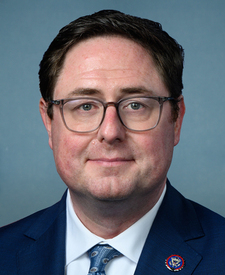

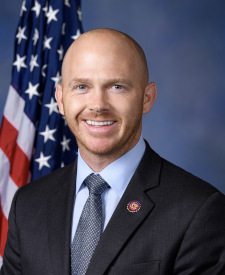
Legislative Progress
IntroducedMr. Flood (for himself, Mr. Timmons, and Mr. Smith of …
Impact analysis is available but no clear stakeholder effects identified. View clause-level analysis →
Bill Structure & Actor Mappings
Who is "The Secretary" in each section?
- "federal_implementing_agencies"
- → Federal agencies assigned duties by the bill
We use a combination of our own taxonomy and classification in addition to large language models to assess meaning and potential beneficiaries. High confidence means strong textual evidence. Always verify with the original bill text.
Learn more about our methodology