Ensuring Accountability and Dignity in Government Contracting Act of 2025
Summary
What This Bill Does
The Ensuring Accountability and Dignity in Government Contracting Act strengthens anti-trafficking controls in federal procurement and assistance. Recipients must provide required certifications at the time each certification is made and report promptly if a recipient, subcontractor, subgrantee, or agent engages in trafficking-related activities during the award. The OMB Director must report to Congress within 18 months on whether to require contracting officials at agencies such as DHS, DOD, State, and USAID to assess contractor anti-trafficking plans for high-risk product, service, and geography categories, streamline reporting, and track anti-trafficking acquisition training.
Who Benefits and How
Workers vulnerable to trafficking benefit because contractors and grantees must report covered trafficking activities during awards. Federal contracting officers benefit from more timely certifications and potential anti-trafficking plan assessments. Anti-trafficking advocates benefit from stronger oversight of high-risk federal supply chains and service contracts. Congressional oversight committees benefit from an OMB feasibility report on compliance assessment and training tracking.
Who Bears the Burden and How
Federal contractors must monitor recipients, subcontractors, subgrantees, and agents for trafficking-related activities. Grant recipients must report covered trafficking activity and remedial actions to relevant grant officers. OMB must evaluate compliance-plan assessment, reporting streamlining, and acquisition-training tracking requirements. High-risk procurement agencies must prepare for possible additional anti-trafficking acquisition controls.
Key Provisions
- Requires anti-trafficking certifications at the time each certification is made and upon request.
- Adds post-award reporting when a recipient or related actor engages in covered trafficking activities.
- Directs OMB to study compliance-plan assessments for high-risk product, service, and geography categories.
- Requires review of streamlined trafficking reporting and acquisition-training tracking.
Evidence Chain:
This summary is generated from the full bill text using AI analysis. Expand "Detailed Analysis" below for identified beneficiaries/burden bearers with clause-level evidence links.
At a Glance
What This Bill Does
Tightens anti-trafficking duties in federal grants, contracts, and cooperative agreements by requiring certifications, post-award reports, compliance assessment study, streamlined reporting review, and training tracking review.
Key Policy Areas
Government Contracting, Human Trafficking, Oversight
Primary Purpose
Tightens anti-trafficking duties in federal grants, contracts, and cooperative agreements by requiring certifications, post-award reports, compliance assessment study, streamlined reporting review, and training tracking review.
Policy Domains
Resolution provisions
Identified Gains
- Workers vulnerable to trafficking
- Federal contracting officers
- Anti-trafficking advocates
- Congressional oversight committees
Identified Costs
- Federal contractors
- Grant recipients
- OMB
- High-risk procurement agencies
Sponsors

Legislative Progress
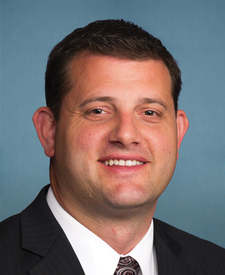
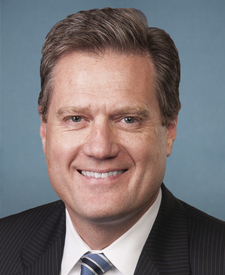
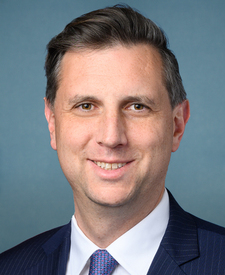
In CommitteeMr. Valadao (for himself, Mr. Turner of Ohio, Mr. Krishnamoorthi, …
Referred to the House Committee on Foreign Affairs.
Introduced in House
Stakeholder Effects
cui bono?How this legislation distributes effects. Mention counts reflect frequency, not effect magnitude.
Bill Structure & Actor Mappings
Who is "The Secretary" in each section?
We use a combination of our own taxonomy and classification in addition to large language models to assess meaning and potential beneficiaries. High confidence means strong textual evidence. Always verify with the original bill text.
Learn more about our methodology