To authorize the imposition of sanctions with respect to significant actions that exacerbate climate change, to reinforce comprehensive efforts to limit global average temperature rise, and for other purposes.
Analysis under review: This bill has generated analysis that may be too generic or incomplete. Clause-level evidence remains available below.
Summary
What This Bill Does
The Targeting Environmental and Climate Recklessness Act of 2024 creates a new sanctions authority allowing the President to penalize foreign individuals and entities whose actions significantly worsen climate change, cause illegal deforestation, or harm environmental defenders. It extends the Global Magnitsky sanctions framework to cover environment-related corruption and human rights abuses.
Who Benefits and How
Environmental defenders, Indigenous communities, and communities affected by climate change benefit through new legal protections and deterrence against those who would harm them. The global climate benefits from a tool designed to deter major polluters and deforesters. Renewable energy industries may benefit as the sanctions target those who undermine clean energy transitions.
Who Bears the Burden and How
Foreign companies and individuals engaged in high-emission activities like building subcritical coal-fired power plants, illegal logging, or deforestation face potential asset freezes, visa bans, and other financial penalties. The Office of Foreign Assets Control at the Treasury Department bears increased administrative burden and receives additional authorized funding.
Key Provisions
- Authorizes sanctions including visa bans, asset freezes, and financial restrictions against foreign persons who engage in activities causing excessive greenhouse gas emissions or illegal deforestation
- Extends Global Magnitsky sanctions to protect environmental defenders facing violence, criminalization, or reprisals
- Directs additional resources to the Office of Foreign Assets Control to implement these new sanctions
Evidence Chain:
This summary is generated from the full bill text using AI analysis. Expand "Detailed Analysis" below for identified beneficiaries/burden bearers.
At a Glance
What This Bill Does
Authorizes U.S. sanctions against foreign persons whose actions significantly exacerbate climate change, illegal deforestation, or harm to environmental defenders, extending the Global Magnitsky sanctions framework to cover environment-linked corruption and human rights abuses.
Key Policy Areas
Environment, Foreign Affairs, Human Rights
Primary Purpose
Authorizes U.S. sanctions against foreign persons whose actions significantly exacerbate climate change, illegal deforestation, or harm to environmental defenders, extending the Global Magnitsky sanctions framework to cover environment-linked corruption and human rights abuses.
Policy Domains
Whole Bill
Identified Gains
Contextual inference, no direct clause citation- Environmental defenders
- Indigenous communities
- Climate-vulnerable communities
- Renewable energy industry
Contextual inference, no direct clause citation
Identified Costs
Contextual inference, no direct clause citation- Foreign polluters and deforesters
- Office of Foreign Assets Control
Contextual inference, no direct clause citation
Legislative Progress
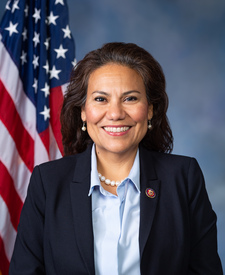
IntroducedMs. Escobar introduced the following bill; which was referred to …
Stakeholder Effects
cui bono?How this legislation distributes effects. Mention counts reflect frequency, not effect magnitude.
Foreign entities causing environmental harm, Foreign environmental rights violators
Bill Structure & Actor Mappings
Who is "The Secretary" in each section?
- "the_president"
- → President of the United States
- "the_secretary_of_state"
- → Secretary of State
- "the_secretary_of_treasury"
- → Secretary of the Treasury
Key Definitions
Terms defined in this bill
A coal-fired power plant with carbon intensity equal to or greater than 880 kilograms of carbon dioxide per megawatt-hour.
A feature or process that absorbs more carbon from the atmosphere than it releases.
Conversion of forest to other land use resulting in permanent reduction of tree canopy below 10% threshold and conversion to agriculture, pasture, mining, or urban areas.
A person that is not a United States person.
We use a combination of our own taxonomy and classification in addition to large language models to assess meaning and potential beneficiaries. High confidence means strong textual evidence. Always verify with the original bill text.
Learn more about our methodology