To amend the Higher Education Act of 1965 to improve accessibility to, and completion of, postsecondary education for students, including students with disabilities, and for other purposes.
Analysis under review: This bill has generated analysis that may be too generic or incomplete. Clause-level evidence remains available below.
Summary
What This Bill Does
This bill, To amend the Higher Education Act of 1965 to improve accessibility to, and completion of, postsecondary education for students, including students with disabilities, and for other purposes., changes federal law or congressional policy affecting federal agencies and legislative administrators. The main policy domain is Government Operations, Education, Labor.
Who Benefits and How
federal agencies and legislative administrators may benefit from new authority, funding, eligibility, regulatory clarity, or reduced risk created by the bill.
Who Bears the Burden and How
federal implementing agencies may take on implementation duties, reporting obligations, compliance costs, or oversight responsibilities.
Key Provisions
- Section H3F98A4BB1EA2435AA5B48751E29A03D9: 1. Short title; table of contents This Act may be cited as the Improving Access to Higher Education Act. The table of contents for this Act is as follows:
- Section H782269E5B0884D54A59658B22BF87401: 101. Supporting postsecondary faculty, staff, and administrators in providing accessible education Section 762 of the Higher Education Act of 1965 (20 U.S.C....
- Section HA41C8BCEBEEE4CEFB15D3C4FAA5E2E60: 762. Grants authorized From amounts appropriated under section 765C, the Secretary shall award grants, on a competitive basis, to institutions of higher...
- Section H0865CE5057C4479E9E348B53E70908F9: 763. Applications Each institution of higher education desiring to receive a grant under section 762 shall submit an application to the Secretary at such time,...
- Section H0516A3C300BB4B56BB4B39C3366C3D92: 102. Office of Accessibility Subpart 1 of part D of title VII of the Higher Education Act of 1965 (20 U.S.C. 1140a et seq.) is amended— by redesignating...
Evidence Chain:
This summary is generated from the full bill text using AI analysis. Expand "Detailed Analysis" below for identified beneficiaries/burden bearers with clause-level evidence links.
At a Glance
What This Bill Does
This bill, To amend the Higher Education Act of 1965 to improve accessibility to, and completion of, postsecondary education for students, including students with disabilities, and for other purposes., changes federal law or congressional policy affecting federal agencies and legislative administrators.
Key Policy Areas
Government Operations, Education, Labor
Primary Purpose
This bill, To amend the Higher Education Act of 1965 to improve accessibility to, and completion of, postsecondary education for students, including students with disabilities, and for other purposes., changes federal law or congressional policy affecting federal agencies and legislative administrators.
Policy Domains
Whole bill
Identified Gains
- federal agencies and legislative administrators
Identified Costs
- federal implementing agencies
Legislative Progress
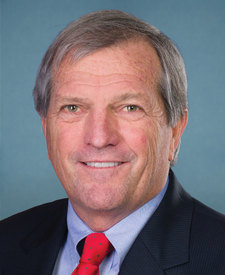
IntroducedMr. DeSaulnier introduced the following bill; which was referred to …
Impact analysis is available but no clear stakeholder effects identified. View clause-level analysis →
Bill Structure & Actor Mappings
Who is "The Secretary" in each section?
- "the_commission"
- → The commission identified in the operative section
- "secretary_of_education"
- → Secretary of Education
Key Definitions
Terms defined in this bill
a scientifically valid framework for guiding educational practice that— provides flexibility in the ways information is presented, in the ways students respond or demonstrate knowledge and skills, and in the ways students are engaged
an entity, or a partnership of entities, that has demonstrated expertise in the fields of— higher education
an entity, or a partnership of entities, that has demonstrated expertise in the fields of— higher education
a scientifically valid framework for guiding educational practice that— provides flexibility in the ways information is presented, in the ways students respond or demonstrate knowledge and skills, and in the ways students are engaged
We use a combination of our own taxonomy and classification in addition to large language models to assess meaning and potential beneficiaries. High confidence means strong textual evidence. Always verify with the original bill text.
Learn more about our methodology