To direct the Secretary of the Interior to establish the Invasive Species Rapid Response Program.
Analysis under review: This bill has generated analysis that may be too generic or incomplete. Clause-level evidence remains available below.
Summary
What This Bill Does
This bill creates the Invasive Species Strike Team Program within the Department of the Interior, operated through the U.S. Fish and Wildlife Service. The program establishes rapid-response teams to identify and combat invasive species threatening the National Wildlife Refuge System, with $15 million authorized per year from 2025 through 2029.
Who Benefits and How
Native wildlife and ecosystems within the National Wildlife Refuge System benefit from coordinated invasive species management. State, local, and tribal governments benefit from federal technical and financial assistance for invasive species near refuges. Environmental and conservation organizations benefit from a structured federal partner. Local communities near refuges benefit from protection of natural resources and prevention of ecological and economic harm caused by invasive species.
Who Bears the Burden and How
Federal taxpayers fund the $75 million total authorization ($15 million/year for 5 years). The U.S. Fish and Wildlife Service bears the administrative and operational burden of establishing regional response teams, developing taxonomy standards, maintaining reporting platforms, and producing annual reports to Congress.
Key Provisions
- Creates the Invasive Species Strike Team Program for the National Wildlife Refuge System
- Requires at least one species response team per U.S. Fish and Wildlife Service region
- Mandates consistent taxonomy standards across all Interior Department databases
- Requires use of unified reporting platforms (NAPIS, EDDMapS, iMapInvasives, etc.)
- Authorizes financial assistance, technical assistance, contracts, and cooperative agreements with external partners
- Requires annual public reports to Congress on program progress
- Authorizes $15 million per year for fiscal years 2025-2029
Evidence Chain:
This summary is generated from the full bill text using AI analysis. Expand "Detailed Analysis" below for identified beneficiaries/burden bearers.
At a Glance
What This Bill Does
Directs the Secretary of the Interior to establish the Invasive Species Strike Team Program within the National Wildlife Refuge System to prevent, detect, and rapidly respond to priority invasive species threats on federal lands, authorizing $15 million annually for fiscal years 2025-2029.
Key Policy Areas
Environment, Agriculture, Government Operations
Primary Purpose
Directs the Secretary of the Interior to establish the Invasive Species Strike Team Program within the National Wildlife Refuge System to prevent, detect, and rapidly respond to priority invasive species threats on federal lands, authorizing $15 million annually for fiscal years 2025-2029.
Policy Domains
Whole Bill
Identified Gains
Contextual inference, no direct clause citation- National Wildlife Refuge System ecosystems
- State and tribal governments
- Conservation organizations
- Communities near wildlife refuges
Contextual inference, no direct clause citation
Identified Costs
Contextual inference, no direct clause citation- Federal taxpayers
- U.S. Fish and Wildlife Service
Contextual inference, no direct clause citation
Sponsors
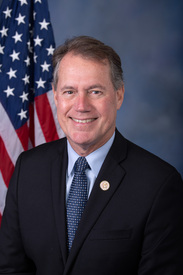
Ed Case
D-HI | Primary Sponsor
Legislative Progress
IntroducedMr. Case (for himself and Mr. Moylan) introduced the following …
Stakeholder Effects
cui bono?How this legislation distributes effects. Mention counts reflect frequency, not effect magnitude.
Bill Structure & Actor Mappings
Who is "The Secretary" in each section?
- "the_secretary"
- → Secretary of the Interior, acting through the Director of the U.S. Fish and Wildlife Service
Key Definitions
Terms defined in this bill
A non-native species whose introduction causes or is likely to cause economic harm, environmental harm, or harm to human health.
An invasive species that is a major concern based on potential impact on native species, ability to alter habitats, ability to harm human health, and severity of economic impact.
The Secretary of the Interior, acting through the Director of the United States Fish and Wildlife Service.
We use a combination of our own taxonomy and classification in addition to large language models to assess meaning and potential beneficiaries. High confidence means strong textual evidence. Always verify with the original bill text.
Learn more about our methodology