Expressing the sense of Congress that the United States should resume normal diplomatic relations with Taiwan, negotiate a bilateral free trade agreement with Taiwan, and support Taiwans membership in international organizations.
Summary
What This Bill Does
This concurrent resolution is a Taiwan recognition and trade-policy statement. It commends Taiwan's democracy, civil liberties, and human rights; urges the President to abandon the One China Policy; calls for resuming normal diplomatic relations; supports negotiating a bilateral free trade agreement; and backs Taiwan's membership in international organizations. It does not itself recognize Taiwan by statute or approve a trade agreement, but it pushes U.S. policy toward formal diplomatic, economic, and multilateral support for Taiwan.
Who Benefits and How
Taiwan's government benefits because the resolution supports normal diplomatic relations and international-organization membership. Taiwanese exporters benefit because a bilateral free trade agreement could reduce trade barriers and expand market access. U.S. companies trading with Taiwan benefit from potential tariff, standards, and investment certainty under a future agreement. Taiwanese civil society benefits because Congress links the policy shift to democracy, civil liberties, and human rights.
Who Bears the Burden and How
The President and State Department diplomats must respond to congressional pressure to change the One China Policy. U.S. trade negotiators would bear negotiation and implementation work if a Taiwan free trade agreement moves forward. People's Republic of China officials face diplomatic pressure from a congressional statement favoring Taiwan normalization. International organizations may face membership disputes if the United States pushes harder for Taiwan participation.
Key Provisions
- Provides congressional support for resuming normal diplomatic relations with Taiwan.
- Directs attention to negotiating a bilateral free trade agreement with Taiwan.
- Strengthens support for Taiwan's membership in international organizations.
- Uses a sense resolution to pressure U.S. diplomatic policy without itself ratifying a treaty or trade agreement.
Evidence Chain:
This summary is generated from the full bill text using AI analysis. Expand "Detailed Analysis" below for identified beneficiaries/burden bearers.
At a Glance
What This Bill Does
Expresses that the United States should resume normal diplomatic relations with Taiwan, negotiate a bilateral free trade agreement, and support Taiwan's membership in international organizations.
Key Policy Areas
Foreign Affairs, Trade, Taiwan
Primary Purpose
Expresses that the United States should resume normal diplomatic relations with Taiwan, negotiate a bilateral free trade agreement, and support Taiwan's membership in international organizations.
Policy Domains
Resolution provisions
Identified Gains
Contextual inference, no direct clause citation- Taiwan government offices
- Taiwanese exporters
- U.S. companies trading with Taiwan
- Taiwanese civil society organizations
Contextual inference, no direct clause citation
Identified Costs
Contextual inference, no direct clause citation- President of the United States
- State Department diplomats
- U.S. trade negotiators
- People's Republic of China officials
Contextual inference, no direct clause citation
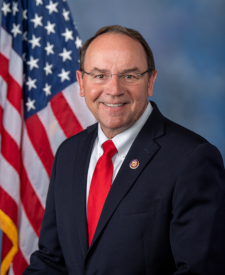
Sponsors




Legislative Progress
In CommitteeReferred to the Committee on Foreign Affairs, and in addition …
Submitted in House
Stakeholder Effects
cui bono?How this legislation distributes effects. Mention counts reflect frequency, not effect magnitude.
People's Republic of China officials, Taiwan government offices, U.S. trade negotiators
Positive-direction: Taiwan government offices
Negative-direction: People's Republic of China officials, U.S. trade negotiators
Bill Structure & Actor Mappings
Who is "The Secretary" in each section?
- "president"
- → President of the United States
We use a combination of our own taxonomy and classification in addition to large language models to assess meaning and potential beneficiaries. High confidence means strong textual evidence. Always verify with the original bill text.
Learn more about our methodology