Expressing support for the staff of public, school, academic, and special libraries in the United States and the essential services those libraries provide to communities, recognizing the need for funding commensurate with the broad scope of social service and community supports provided by libraries, preserving the right of all citizens of the United States to freely access information and resources in their communities, supporting a strong union voice for library workers, and defending the civil rights of library staff.
Analysis under review: This bill has generated analysis that may be too generic or incomplete. Clause-level evidence remains available below.
Summary
What This Bill Does
This bill, Expressing support for the staff of public, school, academic, and special libraries in the United States and the essential services those libraries provide to communities, recognizing the need for funding commensurate with the broad scope of social service and community supports provided by libraries, preserving the right of all citizens of the United States to freely access information and resources in their communities, supporting a strong union voice for library workers, and defending the civil rights of library staff., changes federal law or congressional policy affecting schools, students, and education providers. The main policy domain is Education, Labor, Civil Rights.
Who Benefits and How
schools, students, and education providers may benefit from new authority, funding, eligibility, regulatory clarity, or reduced risk created by the bill.
Who Bears the Burden and How
federal implementing agencies, schools, students, and education providers may take on implementation duties, reporting obligations, compliance costs, or oversight responsibilities.
Key Provisions
- Section HE66A49DB5A5D447587B035B546D35C71: That the Senate— commends the work of library staff in the United States; supports the goals and ideals of National Library Week; recognizes that libraries and...
Evidence Chain:
This summary is generated from the full bill text using AI analysis. Expand "Detailed Analysis" below for identified beneficiaries/burden bearers with clause-level evidence links.
At a Glance
What This Bill Does
This bill, Expressing support for the staff of public, school, academic, and special libraries in the United States and the essential services those libraries provide to communities, recognizing the need for funding commensurate with the broad scope of social service and community supports provided by libraries, preserving the right of all citizens of the United States to freely access information and resources in their communities, supporting a strong union voice for library workers, and defending the civil rights of library staff., changes federal law or congressional policy affecting schools, students, and education providers.
Key Policy Areas
Education, Labor, Civil Rights
Primary Purpose
This bill, Expressing support for the staff of public, school, academic, and special libraries in the United States and the essential services those libraries provide to communities, recognizing the need for funding commensurate with the broad scope of social service and community supports provided by libraries, preserving the right of all citizens of the United States to freely access information and resources in their communities, supporting a strong union voice for library workers, and defending the civil rights of library staff., changes federal law or congressional policy affecting schools, students, and education providers.
Policy Domains
Whole bill
Identified Gains
- schools, students, and education providers
Identified Costs
- federal implementing agencies
- schools, students, and education providers
Sponsors
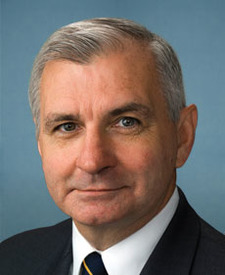
Legislative Progress
In CommitteeMs. Hirono (for herself, Mr. Reed, Ms. Butler, Mr. Wyden, …
Impact analysis is available but no clear stakeholder effects identified. View clause-level analysis →
Bill Structure & Actor Mappings
Who is "The Secretary" in each section?
- "federal_implementing_agencies"
- → Federal agencies assigned duties by the bill
We use a combination of our own taxonomy and classification in addition to large language models to assess meaning and potential beneficiaries. High confidence means strong textual evidence. Always verify with the original bill text.
Learn more about our methodology