Recognizing the contributions of AmeriCorps members and alumni and AmeriCorps Seniors volunteers in the lives of the people and communities of the United States.
Analysis under review: This bill has generated analysis that may be too generic or incomplete. Clause-level evidence remains available below.
Summary
What This Bill Does
The bill imposes that the Senate— encourages the people of the United States to join in a national effort— to salute AmeriCorps members and alumni and AmeriCorps Seniors volunteers. It relies on trade restrictions. The main policy areas are Foreign Policy and Foreign Businesses.
Who Benefits and How
Public beneficiaries or protected communities affected by the clause could face reduced risk.
Who Bears the Burden and How
Foreign businesses and cross-border trade participants affected by the bill would take on compliance duties.
Key Provisions
- Imposes that the Senate— encourages the people of the United States to join in a national effort— to salute AmeriCorps members and alumni and AmeriCorps Seniors volunteers.
Evidence Chain:
This summary is generated from the full bill text using AI analysis. Expand "Detailed Analysis" below for identified beneficiaries/burden bearers with clause-level evidence links.
At a Glance
What This Bill Does
The bill imposes that the Senate— encourages the people of the United States to join in a national effort— to salute AmeriCorps members and alumni and AmeriCorps Seniors volunteers.
Key Policy Areas
Foreign Policy, Foreign Businesses
Primary Purpose
The bill imposes that the Senate— encourages the people of the United States to join in a national effort— to salute AmeriCorps members and alumni and AmeriCorps Seniors volunteers.
Policy Domains
Whole bill
Identified Gains
- Public beneficiaries or protected communities affected by the clause
Identified Costs
- Foreign businesses and cross-border trade participants affected by the bill
Sponsors
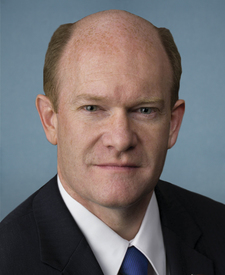


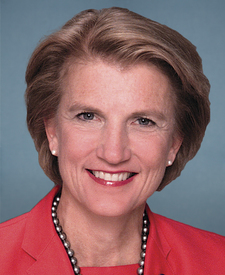
Legislative Progress
No timeline data available
Impact analysis is available but no clear stakeholder effects identified. View clause-level analysis →
Bill Structure & Actor Mappings
Who is "The Secretary" in each section?
We use a combination of our own taxonomy and classification in addition to large language models to assess meaning and potential beneficiaries. High confidence means strong textual evidence. Always verify with the original bill text.
Learn more about our methodology