A resolution recognizing that climate change is making wildfires more frequent, more intense, and more destructive.
Analysis under review: This bill has generated analysis that may be too generic or incomplete. Clause-level evidence remains available below.
Summary
What This Bill Does
This Senate resolution formally acknowledges that climate change is driving increased wildfire risk across the country. It calls for full funding and adequate staffing of federal wildfire prevention and response programs.
Who Benefits and How
Federal firefighting agencies (Forest Service, BLM, etc.) would benefit from increased budgetary support and staffing. Communities in fire-prone areas could benefit from enhanced wildfire prevention and faster emergency response. Federal firefighters and support staff may see improved job security and resources.
Who Bears the Burden and How
As a non-binding resolution, this bill does not impose direct costs or requirements on any group. If the resolution influences future appropriations, taxpayers would fund increased wildfire programs.
Key Provisions
- Acknowledges the reality of climate change-driven wildfire risk
- Calls for full funding of Federal wildfire prevention activities
- Calls for adequate staffing of Federal wildfire response activities
Evidence Chain:
This summary is generated from the full bill text using AI analysis. Expand "Detailed Analysis" below for identified beneficiaries/burden bearers with clause-level evidence links.
At a Glance
What This Bill Does
A Senate resolution acknowledging climate change-driven wildfire risk and the need to fully fund Federal wildfire prevention and response activities
Key Policy Areas
Environment, Emergency Management, Federal Workforce
Primary Purpose
A Senate resolution acknowledging climate change-driven wildfire risk and the need to fully fund Federal wildfire prevention and response activities
Policy Domains
Resolution Body
Identified Gains
- Federal wildfire agencies
- Fire-prone communities
- Federal firefighters
Identified Costs
Contextual inference, no direct clause citation- Taxpayers (indirectly, if appropriations follow)
Contextual inference, no direct clause citation
Sponsors

Legislative Progress
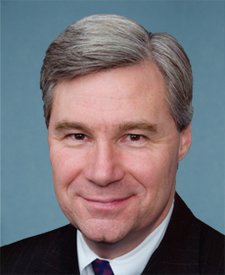
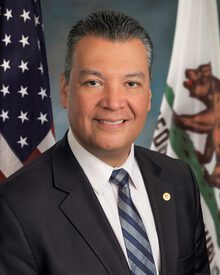
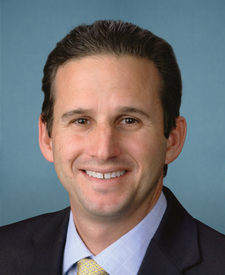
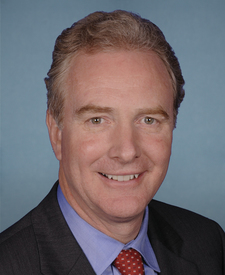
In CommitteeMr. Whitehouse (for himself, Ms. Klobuchar, Mr. Merkley, Mr. Schatz, …
Referred to the Committee on Homeland Security and Governmental Affairs.
Introduced in Senate
Impact analysis is available but no clear stakeholder effects identified. View clause-level analysis →
Bill Structure & Actor Mappings
Who is "The Secretary" in each section?
We use a combination of our own taxonomy and classification in addition to large language models to assess meaning and potential beneficiaries. High confidence means strong textual evidence. Always verify with the original bill text.
Learn more about our methodology