Expressing opposition to congressional spending on earmarks.
Sponsors


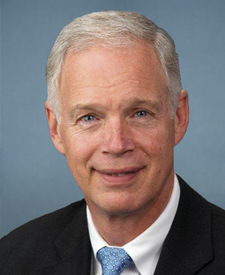
Legislative Progress
In CommitteeMr. Scott of Florida (for himself, Mr. Lee, and Mr. …
Summary
What This Bill Does
Senate Resolution 517 is a non-binding statement that condemns the practice of earmarks (also called "congressionally directed spending" or "community project funding"). It calls for Congress to permanently restore and immediately enforce the ban on earmarks that was previously in place, and argues that reducing such spending is necessary to combat inflation affecting American families.
Who Benefits and How
Fiscal conservatives and anti-earmark advocacy groups benefit politically from this resolution, as it reinforces their position against directed spending. Taxpayers are theoretical beneficiaries, as the resolution claims reduced earmark spending would help control inflation and federal spending, though as a non-binding resolution it creates no enforceable change.
Who Bears the Burden and How
Local governments, municipalities, and community organizations lose access to congressionally directed federal funding for local projects. Construction companies, defense contractors, universities, and research institutions that would receive earmarked appropriations face reduced revenue opportunities. Members of Congress who use earmarks to direct federal funds to their districts or states face political pressure and procedural constraints on this legislative tool.
Key Provisions
- Condemns the use of earmarks in any form to direct taxpayer dollars
- Reaffirms the previous earmark ban and calls for its permanent and immediate restoration
- Links the reduction of earmarks to controlling inflation and federal overspending
- Functions as a non-binding sense of the Senate resolution with no legal enforcement mechanism
Evidence Chain:
This summary is derived from the structured analysis below. See "Detailed Analysis" for per-title beneficiaries/burden bearers with clause-level evidence links.
Primary Purpose
Condemns earmarks and affirms the need to restore and make permanent the ban on congressionally directed spending.
Policy Domains
Legislative Strategy
"Policy statement against earmarks and overspending to address inflation"
Likely Beneficiaries
- Fiscal conservatives
- Taxpayers (in theory)
- Anti-earmark advocacy groups
Likely Burden Bearers
- Members of Congress who use earmarks
- Local communities seeking federal project funding
- Industries that benefit from directed appropriations
Bill Structure & Actor Mappings
Who is "The Secretary" in each section?
Key Definitions
Terms defined in this bill
Congressionally directed spending and community project funding used to direct and appropriate taxpayer dollars
We use a combination of our own taxonomy and classification in addition to large language models to assess meaning and potential beneficiaries. High confidence means strong textual evidence. Always verify with the original bill text.
Learn more about our methodology