A resolution honoring Dr. Jane Goodall and her legacy as an ethologist, conservationist, and activist.
Analysis under review: This bill has generated analysis that may be too generic or incomplete. Clause-level evidence remains available below.
Summary
What This Bill Does
Honors Dr. Jane Goodall and designates April 3, 2025 and April 3, 2026 as Jane Goodall Day.
Who Benefits and How
Conservation advocates and members of the public could gain symbolic recognition of Jane Goodall's work.
Who Bears the Burden and How
The resolution does not impose a direct legal burden or create a new regulatory requirement.
Key Provisions
- Commemorates Dr. Jane Goodall's birth and contributions.
- Designates April 3, 2025 and April 3, 2026 as Jane Goodall Day.
Evidence Chain:
This summary is generated from the full bill text using AI analysis. Expand "Detailed Analysis" below for identified beneficiaries/burden bearers.
At a Glance
What This Bill Does
Honors Dr. Jane Goodall and designates April 3, 2025 and April 3, 2026 as Jane Goodall Day.
Key Policy Areas
Environment
Primary Purpose
Honors Dr. Jane Goodall and designates April 3, 2025 and April 3, 2026 as Jane Goodall Day.
Policy Domains
Main Provisions
Identified Gains
Contextual inference, no direct clause citation- Conservation advocates and members of the public inspired by Jane Goodall's work
Contextual inference, no direct clause citation
Identified Costs
Contextual inference, no direct clause citation- No direct legally burdened party
Contextual inference, no direct clause citation
Sponsors



Legislative Progress
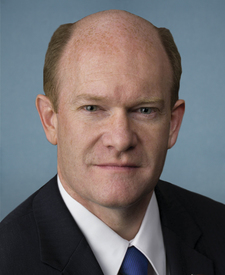
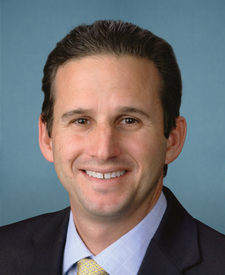
IntroducedMr. Coons (for himself, Mr. Tillis, Mrs. Shaheen, Mrs. Murray, …
Submitted in the Senate, considered, and agreed to without amendment …
Passed/agreed to in Senate: Submitted in the Senate, considered, and …
Introduced in Senate
Stakeholder Effects
cui bono?How this legislation distributes effects. Mention counts reflect frequency, not effect magnitude.
Conservation advocates and Jane Goodall supporters
Bill Structure & Actor Mappings
Who is "The Secretary" in each section?
We use a combination of our own taxonomy and classification in addition to large language models to assess meaning and potential beneficiaries. High confidence means strong textual evidence. Always verify with the original bill text.
Learn more about our methodology