A joint resolution to direct the removal of United States Armed Forces from hostilities within or against Venezuela that have not been authorized by Congress.
Analysis under review: This bill has generated analysis that may be too generic or incomplete. Clause-level evidence remains available below.
Summary
What This Bill Does
The bill requires findings Congress makes the following findings: Congress has the sole power to declare war under article I, section 8, clause 11 of the United States Constitution and sets termination rules for the temporary authority or funding. It relies on compliance mandates and trade restrictions. The main policy areas are National Security, Environment, Foreign Policy, and Defense.
Who Benefits and How
National security and critical infrastructure stakeholders affected by the bill could face lower compliance burdens, Foreign businesses and cross-border trade participants affected by the bill could face lower compliance burdens, and Environmental and public health interests affected by the bill could face lower compliance burdens.
Who Bears the Burden and How
Federal, state, or local agencies responsible for implementing the clause would take on compliance duties.
Key Provisions
- Requires findings Congress makes the following findings: Congress has the sole power to declare war under article I, section 8, clause 11 of the United States Constitution.
- Sets termination rules for the temporary authority or funding.
Evidence Chain:
This summary is generated from the full bill text using AI analysis. Expand "Detailed Analysis" below for identified beneficiaries/burden bearers with clause-level evidence links.
At a Glance
What This Bill Does
The bill requires findings Congress makes the following findings: Congress has the sole power to declare war under article I, section 8, clause 11 of the United States Constitution and sets termination rules for the temporary authority or funding.
Key Policy Areas
National Security, Environment, Foreign Policy, Defense
Primary Purpose
The bill requires findings Congress makes the following findings: Congress has the sole power to declare war under article I, section 8, clause 11 of the United States Constitution and sets termination rules for the temporary authority or funding.
Policy Domains
Whole bill
Identified Gains
- National security and critical infrastructure stakeholders affected by the bill
- Foreign businesses and cross-border trade participants affected by the bill
- Environmental and public health interests affected by the bill
Identified Costs
- Federal, state, or local agencies responsible for implementing the clause
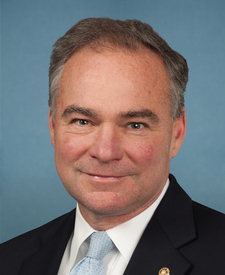
Sponsors




Legislative Progress
In CommitteeMotion to proceed to consideration of measure made in Senate. …
Point of order that the measure is not entitled to …
Point of order that the measure is not entitled to …
Senate Committee on Foreign Relations discharged by Yea-Nay Vote. 52 …
Motion to discharge Senate Committee on Foreign Relations made. (consideration: …
Placed on Senate Legislative Calendar under General Orders. Calendar No. …
Read twice and referred to the Committee on Foreign Relations.
Introduced in Senate
Impact analysis is available but no clear stakeholder effects identified. View clause-level analysis →
Bill Structure & Actor Mappings
Who is "The Secretary" in each section?
We use a combination of our own taxonomy and classification in addition to large language models to assess meaning and potential beneficiaries. High confidence means strong textual evidence. Always verify with the original bill text.
Learn more about our methodology