To establish a task force for regulatory oversight and review.
Analysis under review: This bill has generated analysis that may be too generic or incomplete. Clause-level evidence remains available below.
Summary
What This Bill Does:
This bill creates a new task force called the "Regulatory Oversight and Review Task Force". The task force's job is to find and suggest changes or removal of federal regulations that make U.S. businesses less competitive globally, create barriers for new businesses, increase costs, have lengthy permitting processes, impact energy production, restrict mining of critical minerals, or hinder capital formation.
Who Benefits and How:
- Businesses (especially small ones): They'll benefit from potential changes in regulations that could reduce costs, ease entry barriers, and simplify permitting processes.
- U.S. Consumers: If the task force's recommendations lead to increased competition, consumers might see lower prices for goods and services.
Who Bears the Burden and How:
- Federal Agencies: They'll have to provide documents and information to help the task force do its job.
- Taxpayers: While there's no direct cost mentioned, any additional administrative tasks or resources required by federal agencies might indirectly impact taxpayers.
Key Provisions:
- The task force is composed of government officials and private sector representatives with expertise in regulatory policy, compliance, economics, law, business management, and small businesses.
- The task force must consult with the Government Accountability Office while carrying out its functions.
- It will establish a user-friendly website for submitting recommendations and accessing reports.
- Federal agencies must provide applicable documents and information upon request.
- The task force will solicit written recommendations from the public, interested parties, federal agencies, and other relevant entities through various means (website, mail, etc.).
- Recommendations will be published in the Federal Register, on the task force's website, and on regulations.gov.
Evidence Chain:
This summary is generated from the full bill text using AI analysis. Expand "Detailed Analysis" below for identified beneficiaries/burden bearers.
At a Glance
What This Bill Does
The bill establishes a task force, the Regulatory Oversight and Review Task Force (Task Force), to evaluate and provide recommendations for modifying or repealing federal regulations that hinder competition, create barriers for businesses, increase costs, impose burdensome processes, impact energy production, restrict domestic mining of critical minerals, or inhibit capital formation.
Key Policy Areas
Regulatory Oversight, Economic Policy
Primary Purpose
The bill establishes a task force, the Regulatory Oversight and Review Task Force (Task Force), to evaluate and provide recommendations for modifying or repealing federal regulations that hinder competition, create barriers for businesses, increase costs, impose burdensome processes, impact energy production, restrict domestic mining of critical minerals, or inhibit capital formation.
Policy Domains
Sponsors
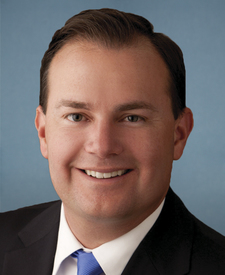
Legislative Progress
IntroducedMr. Lee introduced the following bill; which was read twice …
Stakeholder Effects
cui bono?How this legislation distributes effects. Mention counts reflect frequency, not effect magnitude.
Bill Structure & Actor Mappings
Who is "The Secretary" in each section?
- "the_secretary"
- → Secretary of OMB
- "the_administrator"
- → Administrator of OIRA
Key Definitions
Terms defined in this bill
The Regulatory Oversight and Review Task Force, composed of the Director of OMB as Chairperson, 1 representative from OIRA, and 16 individuals from the private sector with expertise in regulatory policy or compliance.
Short title for the Locating Inefficiencies of Bureaucratic Edicts to Reform and Transform the Economy Act.
A joint resolution that immediately repeals regulations recommended for repeal by the Task Force, and on which Congress completes action within 60 calendar days of receiving the special message.
We use a combination of our own taxonomy and classification in addition to large language models to assess meaning and potential beneficiaries. High confidence means strong textual evidence. Always verify with the original bill text.
Learn more about our methodology