To provide for the conservation of the Chesapeake Bay, and for other purposes.
Analysis under review: This bill has generated analysis that may be too generic or incomplete. Clause-level evidence remains available below.
Summary
The Chesapeake Bay Conservation Acceleration Act of 2025 takes a multi-pronged approach to improving the health of the Chesapeake Bay watershed. It establishes a new Chesapeake Bay States Partnership Initiative within USDA to help agricultural producers implement conservation practices that improve water quality, reduce erosion, and build climate resilience. The bill extends the Conservation Reserve Program through fiscal year 2028 and adds eligibility for riparian buffer lands that support Chesapeake Bay water quality goals, while doubling the annual payment limit from $50,000 to $100,000 and guaranteeing at least 40% cost-share for updated CREP agreements. A new turnkey pilot program would have USDA and third-party technical service providers handle the entire installation and management of forested riparian buffers, eliminating paperwork and costs for participating landowners. A joint USDA-EPA Task Force would improve how conservation investments get credited toward Chesapeake Bay nutrient reduction targets. The bill also expands agricultural workforce development by including community colleges and vocational institutions in grant programs, adding paid work-based learning, and authorizing $60 million annually for FY2026-2031. NRCS receives direct hire authority for conservation technical assistance positions. Finally, the bill shifts regulatory oversight of wild-caught invasive blue catfish and flathead catfish in the Chesapeake Bay from USDA Food Safety and Inspection Service to FDA, removing a barrier to commercial harvest of these ecologically damaging species.
Evidence Chain:
This summary is generated from the full bill text using AI analysis. Expand "Detailed Analysis" below for identified beneficiaries/burden bearers.
At a Glance
What This Bill Does
Accelerate conservation and restoration of the Chesapeake Bay watershed through a new USDA partnership initiative, expanded conservation reserve enrollment, a turnkey riparian buffer pilot program, agricultural workforce development, NRCS direct hire authority, and streamlined catfish inspection to support invasive species harvesting.
Who Benefits
- Agricultural producers in Chesapeake Bay watershed
- Chesapeake Bay water quality and ecosystem
- Community colleges and vocational students in agricultural sciences
Who Bears Costs
- USDA Food Safety and Inspection Service (reduced jurisdiction)
- FDA (increased oversight responsibility for invasive catfish)
Key Policy Areas
{'domain': 'Environment', 'evidence': ['2', '3', '4']}, {'domain': 'Agriculture', 'evidence': ['2', '3', '4', '5', '7']}, {'domain': 'Labor', 'evidence': ['5', '6']}, {'domain': 'Food Safety', 'evidence': ['7']}
Primary Purpose
Accelerate conservation and restoration of the Chesapeake Bay watershed through a new USDA partnership initiative, expanded conservation reserve enrollment, a turnkey riparian buffer pilot program, agricultural workforce development, NRCS direct hire authority, and streamlined catfish inspection to support invasive species harvesting.
Policy Domains
Legislative Strategy
"Remove barriers to farmer participation in conservation programs (turnkey approach, higher payments, streamlined enrollment), accelerate Chesapeake Bay nutrient reduction through better crediting of conservation investments, and address workforce gaps in agricultural conservation with expanded education and direct hiring."
Sponsors
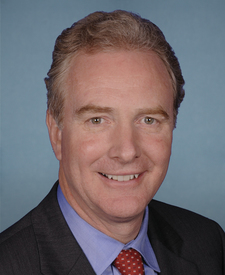

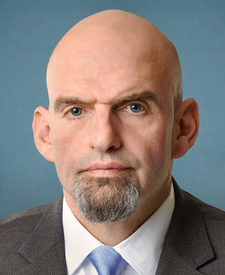
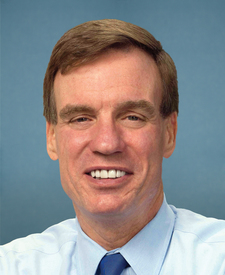
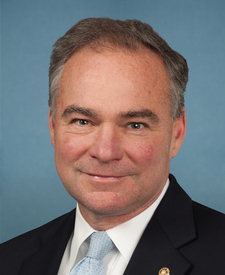
Legislative Progress
IntroducedMr. Van Hollen (for himself, Ms. Alsobrooks, Mr. Fetterman, Mr. …
Stakeholder Effects
cui bono?How this legislation distributes effects. Mention counts reflect frequency, not effect magnitude.
Agricultural conservation workforce, Agricultural producers enrolled in CRP and CREP, Agricultural producers in Chesapeake Bay watershed
Chesapeake Bay States (DE, MD, NY, PA, VA, WV, DC), FDA, USDA Food Safety and Inspection Service
USDA Natural Resources Conservation Service faces effects in multiple directions
Positive-direction: Chesapeake Bay States (DE, MD, NY, PA, VA, WV, DC), USDA Food Safety and Inspection Service
Negative-direction: FDA
Chesapeake Bay ecosystem (invasive species removal), Chesapeake Bay riparian habitat, Chesapeake Bay water quality
Commercial catfish harvesters in Chesapeake Bay
Bill Structure & Actor Mappings
Who is "The Secretary" in each section?
- "epa_admin"
- → Administrator of the Environmental Protection Agency
- "the_secretary"
- → Secretary of Agriculture
- "the_secretary"
- → Secretary of Agriculture
- "the_secretary"
- → Secretary of Agriculture
- "the_secretary"
- → Secretary of Agriculture
- "the_secretary"
- → Secretary of Agriculture
- "the_secretary"
- → Secretary of Agriculture
- "fda_commissioner"
- → Commissioner of Food and Drugs
Key Definitions
Terms defined in this bill
A forested riparian buffer practice under CREP and associated activities including stream crossings, fencing, alternate water systems, and herbicide applications.
A third-party provider with which the Secretary enters into an agreement to conduct establishment and management of eligible practices.
The Chesapeake Bay, the portions of DE, MD, NY, PA, VA, and WV containing tributaries, backwaters, and side channels draining into the Bay, and the District of Columbia.
The Chesapeake Bay States Partnership Initiative established under subsection (b).
We use a combination of our own taxonomy and classification in addition to large language models to assess meaning and potential beneficiaries. High confidence means strong textual evidence. Always verify with the original bill text.
Learn more about our methodology