To provide for the settlement of the water rights claims of the Navajo Nation, the Hopi Tribe, and the San Juan Southern Paiute Tribe, and for other purposes.
Sponsors

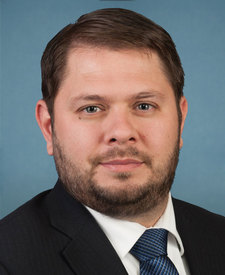
Mark Kelly
D-AZ | Primary Sponsor
Legislative Progress
IntroducedMr. Kelly (for himself and Mr. Gallego) introduced the following …
Summary
What This Bill Does
This bill settles decades-long water rights disputes between the federal government, the State of Arizona, and three Native American tribes: the Navajo Nation, the Hopi Tribe, and the San Juan Southern Paiute Tribe. It allocates specific amounts of Colorado River water to each tribe, funds construction of a major water pipeline to deliver that water to tribal lands, and establishes trust funds totaling over $3.4 billion for water infrastructure, operations, and tribal development.
Who Benefits and How
- Navajo Nation: Receives 48,200 acre-feet per year of Colorado River water and approximately $2.88 billion in trust funds for water projects, renewable energy, and operations. Can lease water to other users in Arizona for up to 99 years.
- Hopi Tribe: Receives 2,300 acre-feet per year of Upper Basin water plus Cibola Water allocations, and approximately $515 million in trust funds for groundwater projects and development.
- San Juan Southern Paiute Tribe: Gains formal recognition of their 5,400-acre reservation and approximately $30 million in trust funds for water infrastructure.
- Construction and engineering contractors: Will benefit from $1.715 billion in pipeline construction contracts and additional tribal infrastructure projects.
- State of Arizona and existing water users: Gain certainty by settling tribal water claims, eliminating risk of future litigation.
Who Bears the Burden and How
- Federal taxpayers: Responsible for $5.136 billion in appropriations to fund the settlement.
- The three tribes: Must waive all past, present, and future water rights claims against Arizona and other parties in exchange for the settlement benefits.
- Bureau of Reclamation and Department of Interior: Must manage implementation, construct the pipeline, and administer trust funds.
Key Provisions
- Allocates 44,700 acre-feet per year of Arizona Upper Basin Colorado River Water to the Navajo Nation and 2,300 acre-feet per year to the Hopi Tribe
- Authorizes construction of the iina ba - paa tuwaqatsi pipeline to deliver water from Lake Powell to tribal lands
- Establishes three tribal Water Settlement Trust Funds totaling $3.42 billion for water projects and tribal development
- Appropriates $1.715 billion for pipeline construction
- Creates the San Juan Southern Paiute Reservation of approximately 5,400 acres from Navajo Reservation land
- Requires tribes to waive all water rights claims against Arizona and other parties
- Authorizes 99-year water leasing period for tribes to market their water within Arizona
- Sets June 30, 2035 as deadline for meeting all conditions to make the settlement enforceable
Evidence Chain:
This summary is derived from the structured analysis below. See "Detailed Analysis" for per-title beneficiaries/burden bearers with clause-level evidence links.
Primary Purpose
To provide for the settlement of water rights claims of the Navajo Nation, the Hopi Tribe, and the San Juan Southern Paiute Tribe in northeastern Arizona, authorizing Colorado River water allocations, establishing tribal water settlement trust funds, and constructing the iina ba - paa tuwaqat'si pipeline to deliver water to tribal lands.
Policy Domains
Legislative Strategy
"Comprehensive settlement of long-standing water rights disputes with three Native American tribes in northeastern Arizona, replacing litigation with negotiated allocation, infrastructure investment, and trust fund establishment."
Likely Beneficiaries
- Navajo Nation - receives 44,700 AFY Upper Basin Colorado River Water, 3,500 AFY Fourth Priority Water, trust fund of ~$2.88 billion
- Hopi Tribe - receives 2,300 AFY Upper Basin Colorado River Water, Cibola Water allocations, trust fund of ~$515 million
- San Juan Southern Paiute Tribe - receives approximately 5,400 acres as formal reservation, trust fund of ~$30 million
- Federal water infrastructure contractors - $1.715 billion for pipeline construction
- State of Arizona - settles tribal water claims, gains certainty in water rights allocation
Likely Burden Bearers
- Federal taxpayers - $5.136 billion in appropriations
- Tribes waive future water rights claims against Arizona and other parties
- Other Colorado River water users - potential reduction in available water during shortages
Bill Structure & Actor Mappings
Who is "The Secretary" in each section?
- "the_secretary"
- → Secretary of the Interior
- "cawcd"
- → Central Arizona Water Conservation District
- "the_secretary"
- → Secretary of the Interior
- "the_secretary"
- → Secretary of the Interior
- "the_commissioner"
- → Commissioner of Reclamation
- "the_secretary"
- → Secretary of the Interior
- "secretary_of_treasury"
- → Secretary of the Treasury
- "the_secretary"
- → Secretary of the Interior
- "the_secretary"
- → Secretary of the Interior
- "the_secretary"
- → Secretary of the Interior
- "the_commissioner"
- → Commissioner of Reclamation
Key Definitions
Terms defined in this bill
The Secretary of the Interior
Acre-feet per year
The Federal reclamation project authorized under title III of the Colorado River Basin Project Act
The San Juan Southern Paiute Tribe, a federally recognized Indian Tribe
The Hopi Tribe, organized under the Indian Reorganization Act
As defined in the Colorado River Compact article II(g)
As defined in the Colorado River Compact article II(f)
All rights to use water recognized under Federal, State, or Tribal law
The Navajo Nation, a body politic and federally recognized Indian nation
The date on which the Secretary publishes findings in the Federal Register confirming all conditions have been met (Section 16)
A voluntary reduction of consumptive use of Arizona Colorado River Water to benefit the Colorado River System
The Northeastern Arizona Indian Water Rights Settlement Agreement dated May 9, 2024
We use a combination of our own taxonomy and classification in addition to large language models to assess meaning and potential beneficiaries. High confidence means strong textual evidence. Always verify with the original bill text.
Learn more about our methodology