To prohibit the sale and distribution of expanded polystyrene food service ware, expanded polystyrene loose fill, and expanded polystyrene coolers, and for other purposes.
Analysis under review: This bill has generated analysis that may be too generic or incomplete. Clause-level evidence remains available below.
Summary
What This Bill Does
This bill, To prohibit the sale and distribution of expanded polystyrene food service ware, expanded polystyrene loose fill, and expanded polystyrene coolers, and for other purposes., changes federal law or congressional policy affecting health care providers and patients. The main policy domain is Healthcare, Education, Environment.
Who Benefits and How
health care providers and patients may benefit from new authority, funding, eligibility, regulatory clarity, or reduced risk created by the bill.
Who Bears the Burden and How
federal implementing agencies, health care providers and patients may take on implementation duties, reporting obligations, compliance costs, or oversight responsibilities.
Key Provisions
- Section H522CD566554848138F844F37FACD7A90: 1. Short title This Act may be cited as the Farewell to Foam Act of 2025.
- Section H8AEB3E13B2314FA1A6C2DBA9FC3A039C: 2. Definitions In this Act: The term Administrator means the Administrator of the Environmental Protection Agency. The term biological product has the meaning...
- Section HBA5EAD101C01428C9EF88B8AB53C4694: 3. Ban on expanded polystyrene food service ware, loose fill, and coolers Beginning on January 1, 2028, no food service provider, manufacturer, distributor, or...
- Section HBFFA22481D0643C2B6EB337C3FCA52E2: 4. Enforcement If a food service provider, manufacturer, distributor, or retailer violates section 3, the Administrator shall provide that food service...
- Section H3833C9C35A8E4DE6AFFD89F7788CD100: 5. Regulations The Administrator may promulgate such regulations as the Administrator determines necessary to carry out this Act.
Evidence Chain:
This summary is generated from the full bill text using AI analysis. Expand "Detailed Analysis" below for identified beneficiaries/burden bearers with clause-level evidence links.
At a Glance
What This Bill Does
This bill, To prohibit the sale and distribution of expanded polystyrene food service ware, expanded polystyrene loose fill, and expanded polystyrene coolers, and for other purposes., changes federal law or congressional policy affecting health care providers and patients.
Key Policy Areas
Healthcare, Education, Environment
Primary Purpose
This bill, To prohibit the sale and distribution of expanded polystyrene food service ware, expanded polystyrene loose fill, and expanded polystyrene coolers, and for other purposes., changes federal law or congressional policy affecting health care providers and patients.
Policy Domains
Whole bill
Identified Gains
- health care providers and patients
Identified Costs
- federal implementing agencies
- health care providers and patients
Sponsors
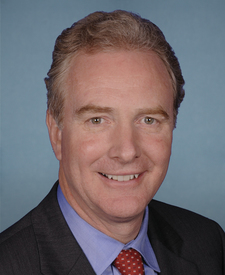
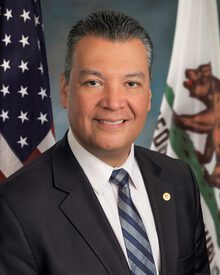
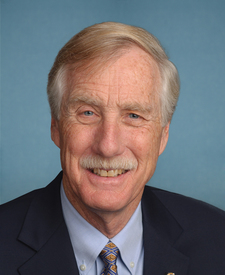
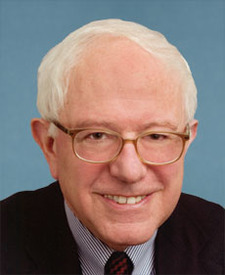
Legislative Progress
IntroducedMr. Van Hollen (for himself, Mr. Blumenthal, Mr. Booker, Mr. …
Impact analysis is available but no clear stakeholder effects identified. View clause-level analysis →
Bill Structure & Actor Mappings
Who is "The Secretary" in each section?
- "administrator_of_epa"
- → Administrator of the Environmental Protection Agency
Key Definitions
Terms defined in this bill
food or beverages that— are cooked, chopped, sliced, mixed, brewed, frozen, heated, squeezed, combined, or otherwise prepared on the premises of a food service provider for immediate consumption
We use a combination of our own taxonomy and classification in addition to large language models to assess meaning and potential beneficiaries. High confidence means strong textual evidence. Always verify with the original bill text.
Learn more about our methodology