BUST FENTANYL Act
Summary
What This Bill Does
The BUST FENTANYL Act uses reporting, diplomacy, and sanctions to target fentanyl precursor supply chains. It changes the International Narcotics Control Strategy Report timing and precursor-chemical language; requires State and DOJ to report within 180 days on U.S. efforts to secure PRC controls over unregulated fentanyl precursors such as 4-AP, PRC financial-system and money-laundering roles, the Trilateral Fentanyl Committee, the Global Coalition to Address Synthetic Drug Threats, third-country commitments, supply-chain shifts, and relevant roles of India, Mexico, and other countries; requires a classified briefing on efforts to establish DEA offices in Shanghai and Guangzhou; prioritizes identification of PRC persons shipping fentanyl, analogues, precursors, pre-precursors, and equipment to Mexico or other production countries; expands Fentanyl Sanctions Act coverage to significant opioid-trafficking activity, proceeds, support, ownership, control, or acting on behalf of covered persons; authorizes sanctions on foreign state agencies, instrumentalities, government-owned financial institutions, and senior officials; and expands annual methamphetamine source-country reporting.
Who Benefits and How
U.S. communities harmed by fentanyl benefit if sanctions and diplomacy disrupt precursor shipments, money laundering, and trafficking networks. DEA investigators benefit from required reporting and classified briefings on efforts to establish offices in Shanghai and Guangzhou. Congressional judiciary and foreign affairs committees benefit from detailed reports on PRC, Mexican, Indian, and third-country precursor activity. Treasury sanctions offices benefit from expanded statutory categories for opioid-trafficking sanctions. Canada, Mexico, and Global Coalition partners benefit from U.S. pressure for coordinated synthetic-drug enforcement.
Who Bears the Burden and How
PRC chemical suppliers and equipment providers face prioritized identification if they ship fentanyl inputs to Mexico or other production countries. PRC financial institutions and money-laundering organizations face scrutiny and potential designation for narcotics-related laundering. Foreign state agencies, instrumentalities, government-owned financial institutions, and senior officials face sanctions if they materially contribute to opioid trafficking. The Secretary of State, Attorney General, President, and sanctions agencies must produce reports, briefings, certifications, and designations. Foreign governments identified as methamphetamine source countries face annual reporting on precursor controls and trafficking actions.
Key Provisions
- Requires State and DOJ reports on PRC fentanyl precursor controls, PRC money laundering, multilateral efforts, third-country commitments, and supply-chain shifts.
- Directs classified briefings on DEA access and efforts to establish DEA offices in Shanghai and Guangzhou.
- Prioritizes identification of PRC persons involved in shipping fentanyl, analogues, precursors, pre-precursors, and manufacturing equipment.
- Expands Fentanyl Sanctions Act coverage to opioid-trafficking activity, proceeds, support, ownership, control, and acting-on-behalf relationships.
- Authorizes sanctions on foreign state agencies, instrumentalities, government-owned financial institutions, and senior officials involved in opioid trafficking.
- Requires annual reporting on methamphetamine source countries and their precursor-control actions.
Evidence Chain:
This summary is generated from the full bill text using AI analysis. Expand "Detailed Analysis" below for identified beneficiaries/burden bearers with clause-level evidence links.
At a Glance
What This Bill Does
Expands U.S. fentanyl and methamphetamine reporting and sanctions by focusing on PRC precursor supply chains, DEA access in China, PRC financial institutions and money laundering organizations, foreign state agencies and senior officials that facilitate opioid trafficking, and source-country reporting for methamphetamine.
Key Policy Areas
Drug Policy, Sanctions, Foreign Affairs
Primary Purpose
Expands U.S. fentanyl and methamphetamine reporting and sanctions by focusing on PRC precursor supply chains, DEA access in China, PRC financial institutions and money laundering organizations, foreign state agencies and senior officials that facilitate opioid trafficking, and source-country reporting for methamphetamine.
Policy Domains
Bill provisions
Identified Gains
- U.S. communities harmed by fentanyl
- DEA investigators
- Congressional judiciary committees
- Treasury sanctions offices
- Synthetic-drug coalition partners
Identified Costs
- PRC chemical suppliers
- PRC financial institutions
- Foreign state agencies involved in opioid trafficking
- Secretary of State
- Attorney General
- President
Sponsors
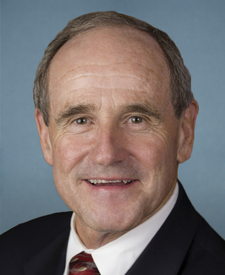
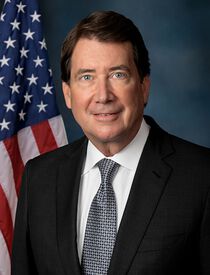
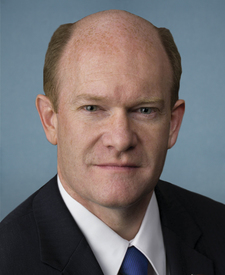

Legislative Progress
ReportedReported by Mr. Risch, without amendment
Placed on Senate Legislative Calendar under General Orders. Calendar No. …
Committee on Foreign Relations. Reported by Senator Risch without amendment. …
Committee on Foreign Relations. Ordered to be reported without amendment …
Introduced in Senate
Mr. Risch (for himself and Mrs. Shaheen) introduced the following …
Read twice and referred to the Committee on Foreign Relations.
Mr. Risch (for himself, Mrs. Shaheen, Mr. Hagerty, and Mr. …
Stakeholder Effects
cui bono?How this legislation distributes effects. Mention counts reflect frequency, not effect magnitude.
Attorney General, Congressional judiciary committees, Foreign state agencies involved in opioid trafficking
Positive-direction: Congressional judiciary committees, Synthetic-drug coalition partners, Treasury sanctions offices
Negative-direction: Attorney General, Foreign state agencies involved in opioid trafficking, Secretary of State
Bill Structure & Actor Mappings
Who is "The Secretary" in each section?
- "secretary"
- → Secretary of State
- "attorney_general"
- → Attorney General
We use a combination of our own taxonomy and classification in addition to large language models to assess meaning and potential beneficiaries. High confidence means strong textual evidence. Always verify with the original bill text.
Learn more about our methodology