Disclosing Foreign Influence in Lobbying Act
Summary
What This Bill Does
The Disclosing Foreign Influence in Lobbying Act clarifies Lobbying Disclosure Act registration contents. It requires a registrant to disclose the name and address of each foreign government, foreign-government agency or subdivision, regional or municipal foreign government unit, and foreign political party that participates in directing, planning, supervising, or controlling the registrant's lobbying activities, even when that foreign actor is not the formal client.
Who Benefits and How
Congress, the Clerk of the House, the Secretary of the Senate, DOJ foreign-influence officials, watchdog organizations, journalists, trade-policy researchers, and members of the public benefit from seeing who is actually steering lobbying campaigns. The bill helps distinguish ordinary client lobbying from campaigns directed or supervised by foreign governments or foreign political parties behind the named client.
Who Bears the Burden and How
Lobbying firms, law firms with lobbying practices, trade associations, in-house lobbying teams, LDA compliance staff, foreign-government clients, foreign political parties, and intermediary organizations must identify covered foreign direction or control and add names and addresses to registration filings. Registrants face additional diligence and reputational exposure if foreign government involvement becomes visible.
Key Provisions
- Amends section 4(b) of the Lobbying Disclosure Act of 1995.
- Requires disclosure of foreign governments and foreign-government agencies, subdivisions, regional units, and municipal units that direct, plan, supervise, or control lobbying.
- Requires disclosure of foreign political parties that direct, plan, supervise, or control lobbying.
- Tightens disclosure when a foreign actor controls lobbying activity without being the named client.
- Provides Congress, DOJ, watchdogs, journalists, researchers, and the public more specific foreign-influence information in LDA registrations.
Evidence Chain:
This summary is generated from the full bill text using AI analysis. Expand "Detailed Analysis" below for identified beneficiaries/burden bearers with clause-level evidence links.
At a Glance
What This Bill Does
Amends the Lobbying Disclosure Act to require registrants to disclose foreign governments, foreign-government agencies or subdivisions, and foreign political parties that direct, plan, supervise, or control lobbying activity even when they are not the named client.
Key Policy Areas
Lobbying, Foreign Influence, Government Oversight
Primary Purpose
Amends the Lobbying Disclosure Act to require registrants to disclose foreign governments, foreign-government agencies or subdivisions, and foreign political parties that direct, plan, supervise, or control lobbying activity even when they are not the named client.
Policy Domains
Substantive provisions
Identified Gains
- Congress
- Clerk of the House
- Secretary of the Senate
- DOJ foreign-influence officials
- Government watchdog organizations
- Journalists
- Trade-policy researchers
Identified Costs
- Lobbying firms
- Law firms with lobbying practices
- Trade associations
- In-house lobbying teams
- LDA compliance staff
- Foreign governments directing lobbying
- Foreign political parties
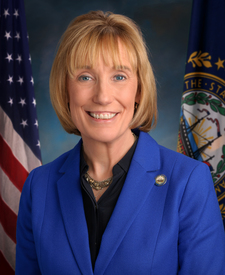
Sponsors
Legislative Progress
Passed SenateHeld at the desk.
Received in the House.
Message on Senate action sent to the House.
Passed Senate without amendment by Unanimous Consent. (consideration: CR S8794; …
Passed/agreed to in Senate: Passed Senate without amendment by Unanimous …
Reported by Mr. Paul, without amendment
Passed Senate (inferred from es version)
Placed on Senate Legislative Calendar under General Orders. Calendar No. …
Committee on Homeland Security and Governmental Affairs. Reported by Senator …
Committee on Homeland Security and Governmental Affairs. Ordered to be …
Stakeholder Effects
cui bono?How this legislation distributes effects. Mention counts reflect frequency, not effect magnitude.
Lobbying firms with foreign-government direction
Trade associations with foreign direction
Bill Structure & Actor Mappings
Who is "The Secretary" in each section?
- "foreign_control"
- → Direction, planning, supervision, or control of lobbying activity by a foreign government or foreign political party.
We use a combination of our own taxonomy and classification in addition to large language models to assess meaning and potential beneficiaries. High confidence means strong textual evidence. Always verify with the original bill text.
Learn more about our methodology