To amend the Lobbying Disclosure Act of 1995 to clarify a provision relating to certain contents of registrations under that Act.
Sponsors
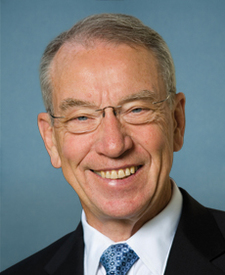
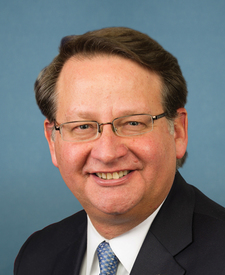
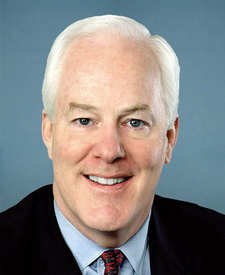
Legislative Progress
Passed SenateReported by Mr. Paul, without amendment
Passed Senate (inferred from es version)
Mr. Grassley (for himself, Mr. Peters, Mr. Cornyn, Mr. Durbin, …
Summary
What This Bill Does
This bill strengthens lobbying transparency by requiring lobbyists to disclose when foreign governments or political parties have any role in directing, planning, supervising, or controlling their lobbying activities. Currently, lobbyists must report their clients, but this bill closes a loophole by requiring disclosure even when a foreign government is not technically the client but still exerts influence over the lobbying efforts.
Who Benefits and How
Government watchdog organizations, transparency advocates, and research groups that track foreign influence in U.S. politics gain access to new data about which foreign governments are trying to shape U.S. policy. This information allows them to conduct more comprehensive investigations and publish reports about foreign influence operations. Lobbying firms without foreign government connections also benefit because the new disclosure requirements create a clearer competitive disadvantage for firms that work under foreign government direction, potentially making domestic-only lobbying firms more attractive to certain clients.
Who Bears the Burden and How
Lobbying firms, law firms, and trade associations that have foreign government involvement in their lobbying work face new compliance costs and potential reputational risks. They must now publicly disclose relationships with foreign governments, which could discourage some clients from working with them or expose foreign influence campaigns to public scrutiny. This includes not just direct foreign government clients, but also situations where a foreign government helps direct lobbying strategy or provides oversight, even if they are not the official client.
Key Provisions
- Adds a new paragraph to Section 4(b) of the Lobbying Disclosure Act of 1995 requiring disclosure of foreign government participation in lobbying activities
- Covers foreign national governments, regional/municipal foreign governments, and foreign political parties
- Applies even when the foreign entity is not the client but participates in directing or controlling lobbying activities
- Requires disclosure of both the name and address of each foreign government or political party involved
- Creates an exception to existing disclosure rules to ensure foreign government participation is always reported
Evidence Chain:
This summary is derived from the structured analysis below. See "Detailed Analysis" for per-title beneficiaries/burden bearers with clause-level evidence links.
Primary Purpose
Requires lobbyists to disclose any foreign governments or political parties that participate in directing, planning, supervising, or controlling their lobbying activities
Policy Domains
Legislative Strategy
"Increase transparency in lobbying by exposing foreign government influence over domestic lobbying efforts"
Likely Beneficiaries
- Government watchdog organizations
- Public interest groups
- Transparency advocates
- Competing lobbyists without foreign ties
Likely Burden Bearers
- Lobbying firms with foreign government clients or oversight
- Trade associations with international affiliations
- Law firms engaged in lobbying
Bill Structure & Actor Mappings
Who is "The Secretary" in each section?
- "registrant"
- → Any person or entity required to register under the Lobbying Disclosure Act of 1995
Key Definitions
Terms defined in this bill
Includes any agency or subdivision of a government of a foreign country, such as a regional or municipal unit of government, and foreign political parties
We use a combination of our own taxonomy and classification in addition to large language models to assess meaning and potential beneficiaries. High confidence means strong textual evidence. Always verify with the original bill text.
Learn more about our methodology