Supporting Rural Veterans Access to Healthcare Services Act
Summary
What This Bill Does
The Supporting Rural Veterans Access to Healthcare Services Act updates the VA transportation grant program created in the Caregivers and Veterans Omnibus Health Services Act. It adds Tribal organizations and Native Hawaiian organizations to eligible recipients, changes references so recipients beyond state veterans agencies or veterans service organizations can receive grants, caps grants at $50,000, allows up to a 50 percent increase for counties with more than five off-road communities, and authorizes such sums as necessary for fiscal years 2025 through 2029.
Who Benefits and How
Rural veterans benefit because transportation grants can help them reach VA health care when distance, roads, or geography are barriers. Tribal organizations benefit from explicit eligibility to receive VA transportation grants. Native Hawaiian organizations benefit from the same new eligibility for veteran transportation support. Counties with more than five off-road communities benefit from a possible grant increase above the normal $50,000 cap.
Who Bears the Burden and How
VA grant administrators must update eligibility, award limits, and program guidance through 2029. Grant recipients must document transportation services and comply with VA grant rules. Federal taxpayers fund the extended grant authority. County and Tribal transportation programs must manage service delivery in remote communities.
Key Provisions
- Expands eligible VA transportation grant recipients to include Tribal organizations and Native Hawaiian organizations.
- Extends authorization for the program through fiscal years 2025 through 2029.
- Limits ordinary grant awards to $50,000 while authorizing a 50 percent increase for counties with more than five off-road communities.
- Modifies definitions and recipient language so the program can serve rural and geographically isolated veteran communities.
Evidence Chain:
This summary is generated from the full bill text using AI analysis. Expand "Detailed Analysis" below for identified beneficiaries/burden bearers with clause-level evidence links.
At a Glance
What This Bill Does
Extends VA's rural veterans transportation grant program through fiscal years 2025-2029, adds Tribal and Native Hawaiian organizations as eligible recipients, and raises the grant cap for counties with many off-road communities.
Key Policy Areas
Veterans, Transportation, Rural Development
Primary Purpose
Extends VA's rural veterans transportation grant program through fiscal years 2025-2029, adds Tribal and Native Hawaiian organizations as eligible recipients, and raises the grant cap for counties with many off-road communities.
Policy Domains
Bill provisions
Identified Gains
- Rural veterans
- Tribal organizations
- Native Hawaiian organizations
- Counties with off-road communities
Identified Costs
- VA grant administrators
- Grant recipients
- Federal taxpayers
- County transportation programs
Sponsors
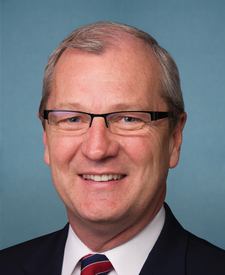
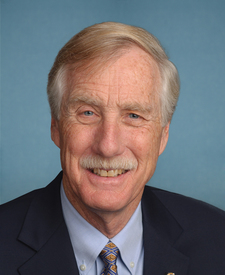
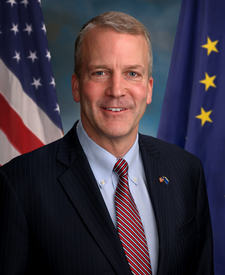

Legislative Progress
ReportedCommittee on Veterans' Affairs. Ordered to be reported with an …
Committee on Veterans' Affairs. Hearings held. Hearings printed: S.Hrg. 119-86.
Mr. Cramer (for himself, Mr. King, and Mr. Sullivan) introduced …
Read twice and referred to the Committee on Veterans' Affairs.
Introduced in Senate
Stakeholder Effects
cui bono?How this legislation distributes effects. Mention counts reflect frequency, not effect magnitude.
Tribal organizations, VA grant administrators
Positive-direction: Tribal organizations
Negative-direction: VA grant administrators
Bill Structure & Actor Mappings
Who is "The Secretary" in each section?
- "secretary"
- → Secretary of Veterans Affairs
We use a combination of our own taxonomy and classification in addition to large language models to assess meaning and potential beneficiaries. High confidence means strong textual evidence. Always verify with the original bill text.
Learn more about our methodology