Fighting Post-Traumatic Stress Disorder Act of 2025
Summary
What This Bill Does
The Fighting Post-Traumatic Stress Disorder Act responds to high PTSD, acute stress, and suicide risk among police officers, firefighters, emergency medical technicians, 911 dispatchers, Tribal public safety officers, and other public safety personnel. It requires the Attorney General, through the COPS Office, to report within 150 days on at least one feasible program for trauma-informed care, peer support, counselor services, family supports, confidentiality conditions, nationwide administration, authorizing language, and estimated annual appropriations.
Who Benefits and How
Police officers, firefighters, EMTs, and Tribal public safety officers benefit if the proposed program expands access to evidence-based trauma care. 911 public safety telecommunicators benefit because they are expressly included in the report and program design. Families of public safety officers benefit from required consideration of family supports. State, Tribal, territorial, and local public safety agencies benefit from a federal blueprint for mental-health programming they could use or receive grants for.
Who Bears the Burden and How
The Attorney General and COPS Office must prepare the report, consult stakeholders, draft grant conditions, and estimate appropriations. Public safety agencies must participate in consultation and may need to implement confidentiality and program conditions later. DOJ budget offices must estimate annual appropriations for any proposed program. Federal taxpayers may bear future costs if Congress funds the recommended program.
Key Provisions
- Requires a DOJ report within 150 days on proposed PTSD and acute-stress-disorder programs for public safety personnel.
- Provides that proposed programs should include trauma-informed care, peer support, counselor services, and family supports.
- Directs DOJ to draft confidentiality-related grant conditions for officers and telecommunicators seeking care.
- Requires stakeholder consultation with public safety agencies and organizations representing officers, telecommunicators, and families.
Evidence Chain:
This summary is generated from the full bill text using AI analysis. Expand "Detailed Analysis" below for identified beneficiaries/burden bearers with clause-level evidence links.
At a Glance
What This Bill Does
Requires the Justice Department's COPS Office to report on proposed programs for evidence-based PTSD and acute-stress-disorder care for public safety officers, public safety telecommunicators, and their families.
Key Policy Areas
Public Safety, Mental Health, Law Enforcement
Primary Purpose
Requires the Justice Department's COPS Office to report on proposed programs for evidence-based PTSD and acute-stress-disorder care for public safety officers, public safety telecommunicators, and their families.
Policy Domains
Bill provisions
Identified Gains
- Public safety officers
- 911 public safety telecommunicators
- Families of public safety officers
- Public safety agencies
Identified Costs
- Attorney General
- COPS Office
- Public safety agencies
- Federal taxpayers
Sponsors
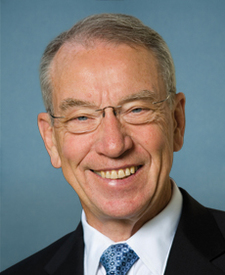
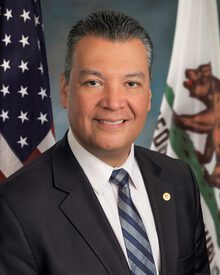
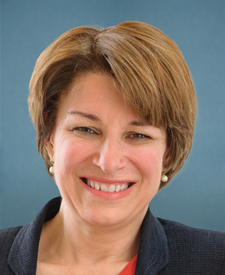
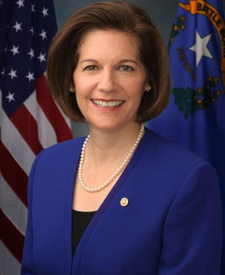
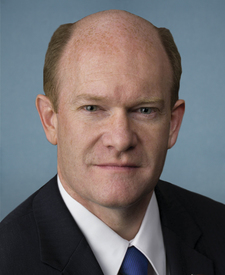
Legislative Progress
Passed SenateHeld at the desk.
Received in the House.
Message on Senate action sent to the House.
Passed Senate with amendments by Voice Vote. (consideration: CR S2723, …
Passed/agreed to in Senate: Passed Senate with amendments by Voice …
Placed on Senate Legislative Calendar under General Orders. Calendar No. …
Committee on the Judiciary. Reported by Senator Grassley with amendments. …
Reported by Mr. Grassley, with amendments
Committee on the Judiciary. Ordered to be reported without amendment …
Committee on the Judiciary. Ordered to be reported with amendments …
Stakeholder Effects
cui bono?How this legislation distributes effects. Mention counts reflect frequency, not effect magnitude.
911 public safety telecommunicators, Public safety officers
Bill Structure & Actor Mappings
Who is "The Secretary" in each section?
- "cops"
- → Office of Community Oriented Policing Services
- "attorney_general"
- → Attorney General
We use a combination of our own taxonomy and classification in addition to large language models to assess meaning and potential beneficiaries. High confidence means strong textual evidence. Always verify with the original bill text.
Learn more about our methodology